Beef Guide · 4 min read
Steak Doneness Temperatures: A Guide From Rare to Well Done
Steak doneness temperatures from rare to well done, when to take the steak off the heat, how to use a thermometer, and what USDA food-safety guidance recommends.
By Tasty Nest Recipes Editorial Team · Published
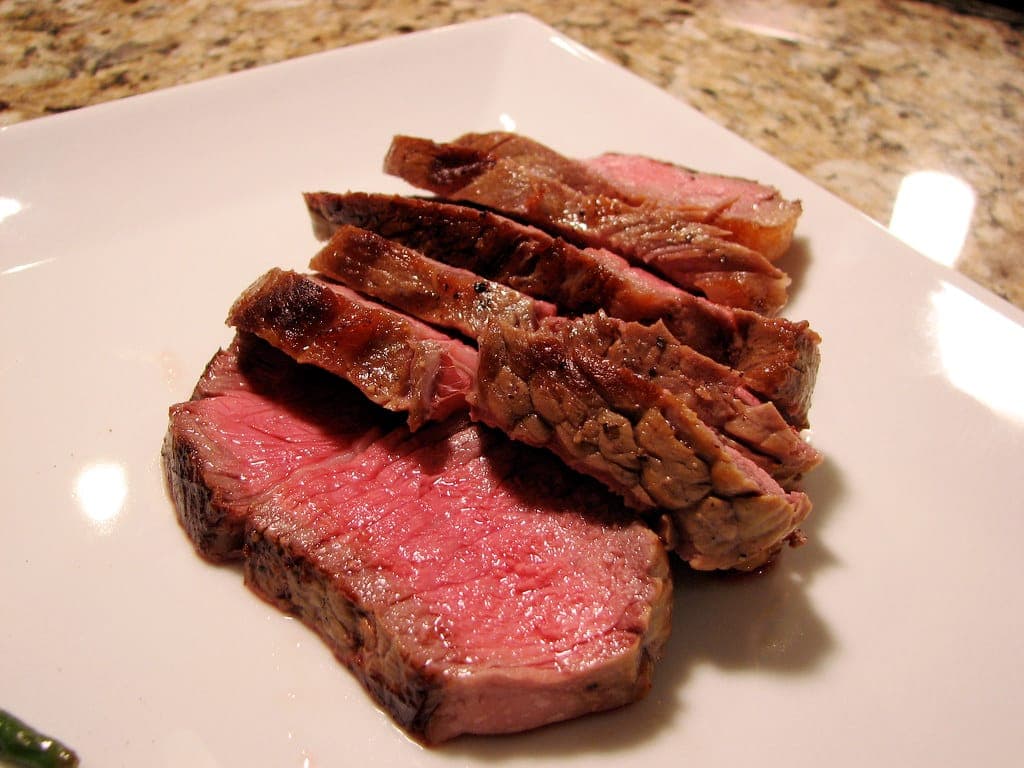
Photo: tookthescenicroute · CC BY 2.0. Illustrative photo; your results may look different.
Cooking a steak exactly the way you like it is much easier with a thermometer than with a timer. Steaks vary in thickness, starting temperature and fat, and pans and grills vary in heat, so the same cooking time can give very different results.
This guide lists the internal temperatures cooks use for each level of doneness, explains carryover cooking so you know when to pull the steak off the heat, and sets out the USDA's recommended minimum temperature so you can make an informed choice.
Steak doneness chart
These are the final temperatures after resting, measured in the centre of the thickest part. Because a steak keeps cooking after it leaves the heat, take it off about 5°F (3°C) before the target.
- Rare: 125°F (52°C) final. Cool to warm red centre. Pull at about 120°F.
- Medium-rare: 130 to 135°F (54 to 57°C) final. Warm red to pink centre. Pull at about 125 to 130°F.
- Medium: 140 to 145°F (60 to 63°C) final. Pink centre. Pull at about 135 to 140°F.
- Medium-well: 150 to 155°F (66 to 68°C) final. Mostly brown with a hint of pink. Pull at about 145 to 150°F.
- Well done: 160°F (71°C) and above. Brown throughout. Pull at about 155°F.
What the USDA recommends
The USDA Food Safety and Inspection Service recommends cooking whole cuts of beef, such as steaks and roasts, to a minimum internal temperature of 145°F (63°C), followed by a rest of at least 3 minutes. That corresponds to medium on the chart above.
Many people choose to eat steak rare or medium-rare, which is below that guideline. On a whole steak, any bacteria are mostly on the surface, which is seared at a high temperature, but the USDA minimum still applies. If you are cooking for someone who is pregnant, a young child, an older adult or someone with a weakened immune system, follow the 145°F guidance.
Ground beef is different
Grinding mixes any surface bacteria all the way through the meat, so burgers and other ground beef should always be cooked to 160°F (71°C). The chart above is for whole steaks only.
How to check the temperature
- Use an instant-read digital thermometer for a quick, accurate reading.
- Insert the probe horizontally from the side of the steak into the very centre, avoiding bone and large pockets of fat.
- Check thick steaks in more than one spot.
- Start checking a few minutes before you expect the steak to be ready; the temperature rises quickly near the end.
Carryover cooking and resting
When a steak comes off the heat, the hot outer layers continue to warm the centre for a few minutes. Thicker steaks and roasts carry over more than thin ones. This is why you take the steak off a few degrees early.
Resting for about 5 minutes for a steak (and 10 to 20 for a large roast) lets the temperature even out and the juices settle, so less ends up on the board when you slice. Rest it on a warm plate or board, loosely tented with foil if your kitchen is cold.
What about the touch test?
Comparing the firmness of a steak to the flesh of your palm is a popular trick, but it is unreliable: it depends on the cut, the thickness and your own hand. It can be a helpful supplement once you are experienced, but a thermometer is the only way to know the internal temperature, which is what matters for both doneness and food safety.
Frequently asked questions
What temperature is medium-rare steak?
Medium-rare is about 130 to 135°F (54 to 57°C) after resting. Take the steak off the heat at around 125 to 130°F and let carryover cooking finish the job. Note that this is below the USDA's recommended 145°F minimum for whole cuts.
How long should steak rest?
Around 5 minutes is enough for most steaks. Thick-cut steaks benefit from 8 to 10 minutes. USDA guidance is a rest of at least 3 minutes after reaching 145°F.
Why is my steak grey on the outside and raw in the middle?
That usually means the pan was not hot enough, so the outside cooked slowly without browning. For thick steaks, a reverse sear (gentle oven first, hot pan at the end) gives more even doneness.
The bottom line
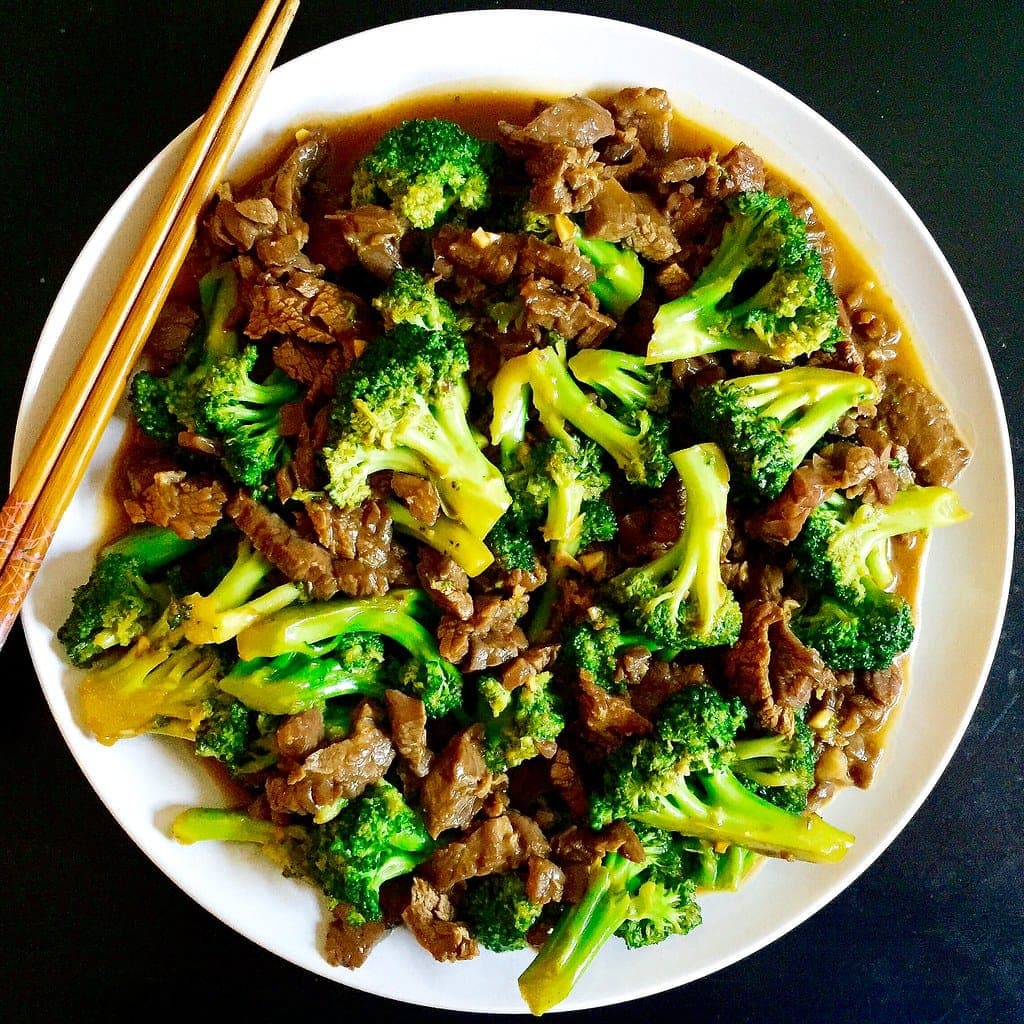
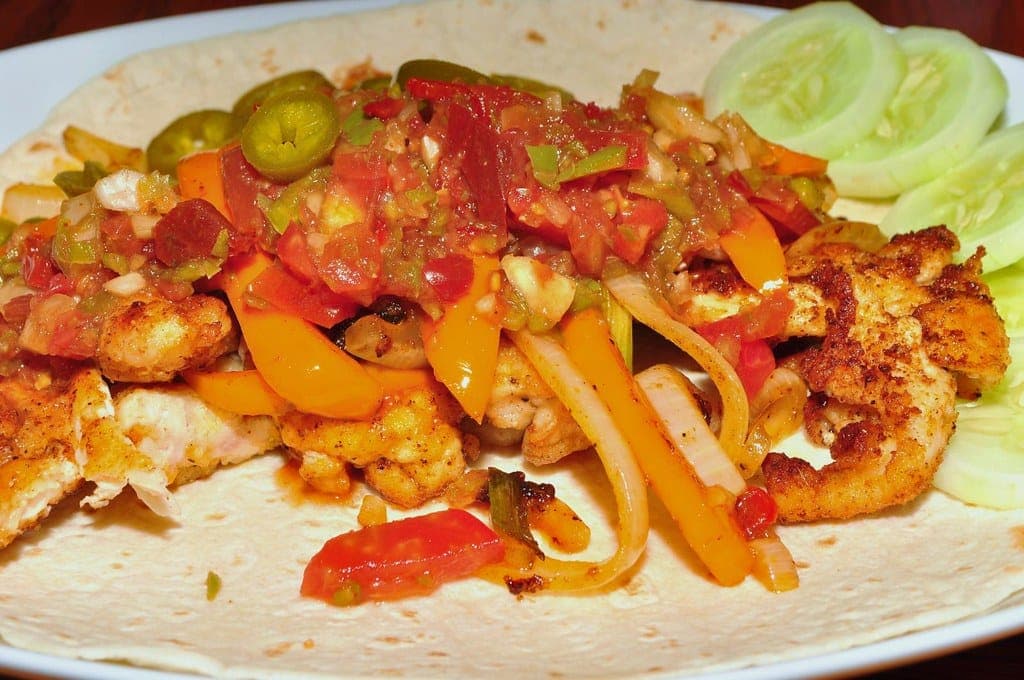
Choose your doneness, then let a thermometer guide you: take the steak off the heat about 5°F before your target, rest it for a few minutes and slice. Remember that the USDA recommends 145°F with a 3-minute rest for whole cuts of beef, and 160°F for anything ground. Put it into practice with a quick beef and broccoli stir-fry or steak fajitas.
Put it into practice
Recipes to try
More guides
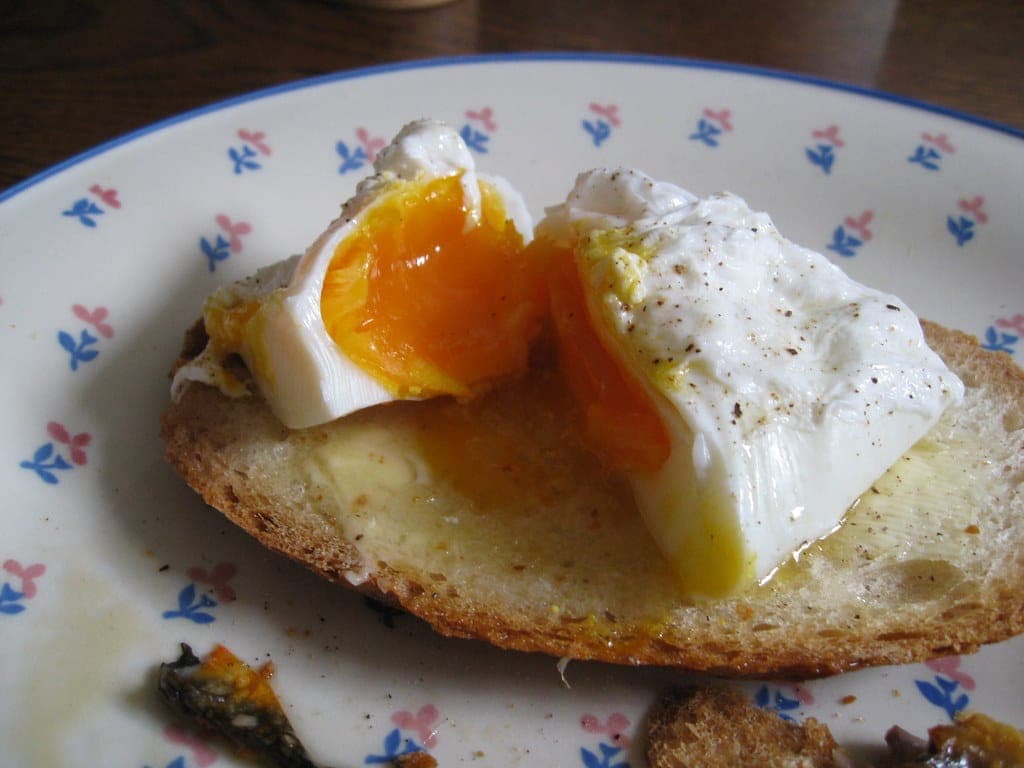
Breakfast Guide · 4 min read
How to Poach an Egg
Learn how to poach an egg with a neat, tender white every time: choosing eggs, water temperature, timing for soft or firm yolks, and how to poach eggs ahead.
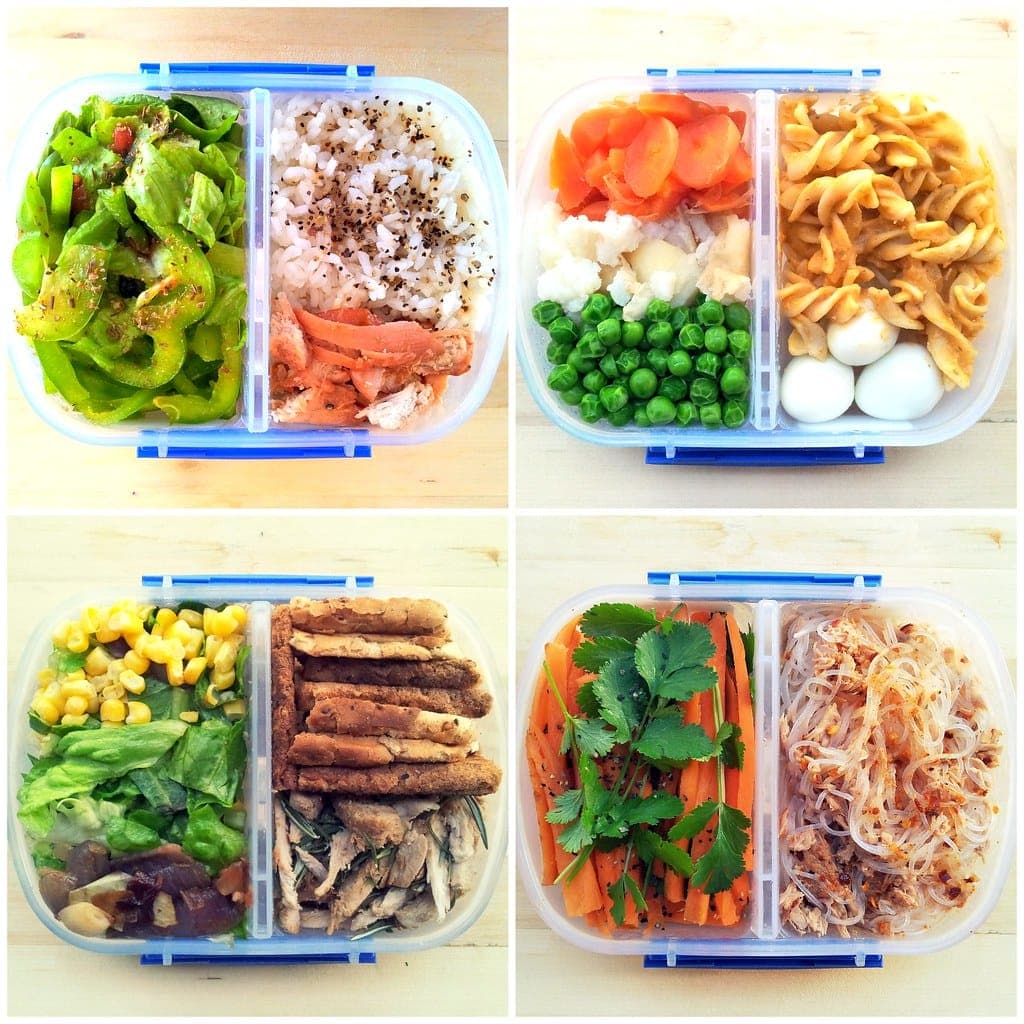
Lunch Guide · 4 min read
How to Pack a Lunch Safely
Keep packed lunches cold and safe until you eat them: insulated bags, ice packs, the two-hour rule, keeping hot food hot and which foods travel best.
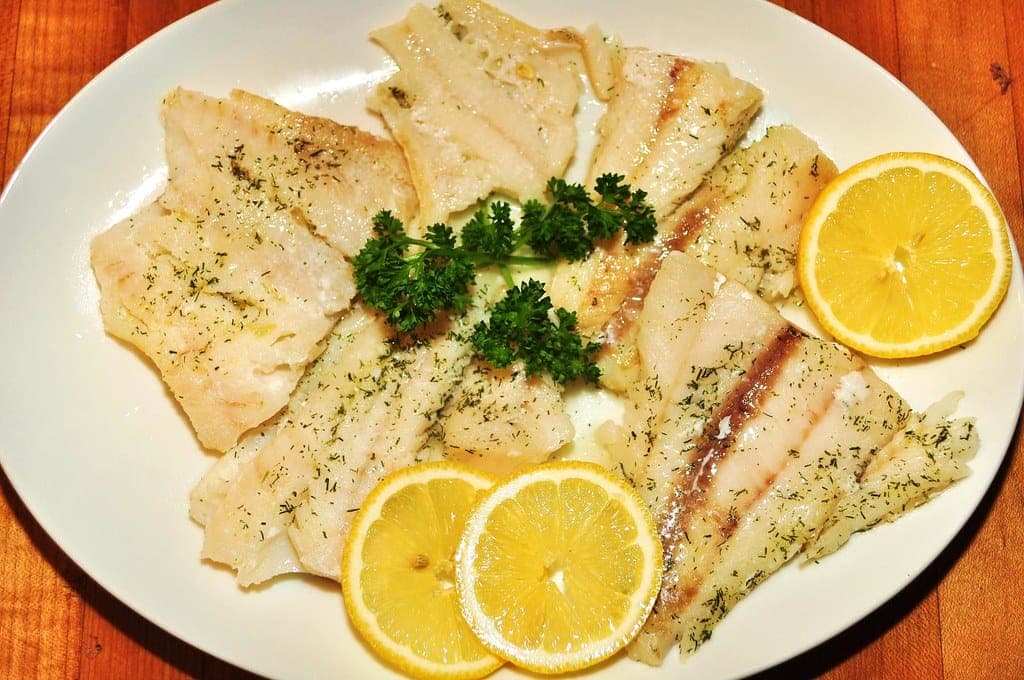
Seafood Guide · 3 min read
How to Tell When Fish Is Done
How to tell when fish is cooked: the safe internal temperature, what opaque and flaky really look like, and how to check salmon, white fish, shrimp and shellfish.
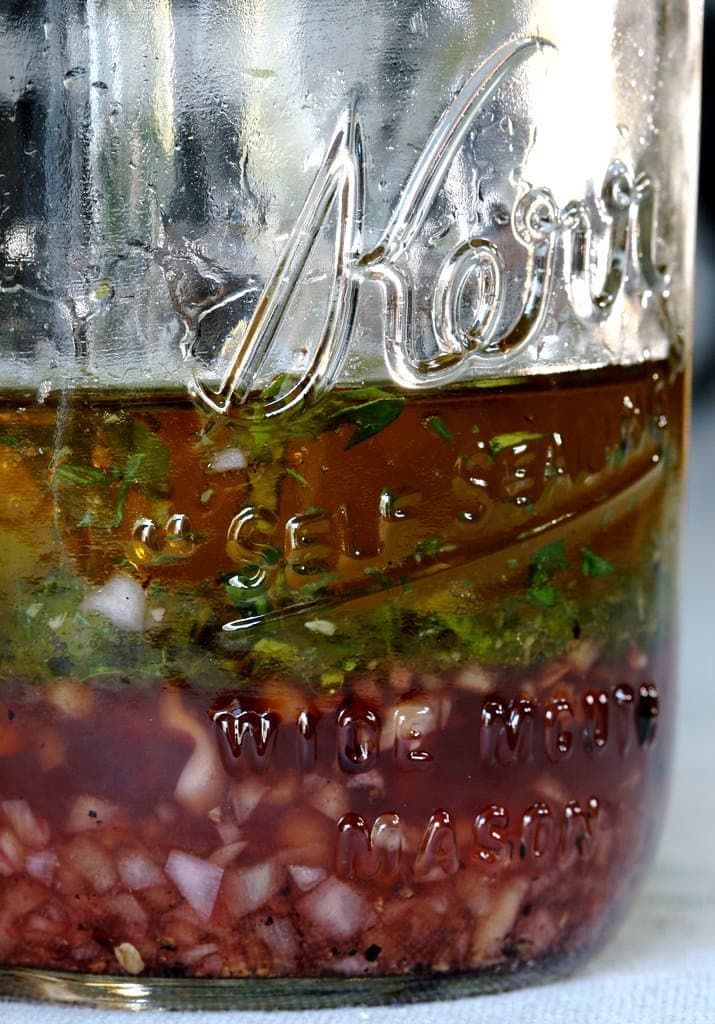
Salads Guide · 3 min read
How to Make Vinaigrette (The 3-to-1 Ratio and Beyond)
Make vinaigrette in two minutes with the classic 3-to-1 ratio. How to emulsify it, balance the flavour, store it, and five variations to try with your salads.