Seafood Guide · 3 min read
How to Tell When Fish Is Done
How to tell when fish is cooked: the safe internal temperature, what opaque and flaky really look like, and how to check salmon, white fish, shrimp and shellfish.
By Tasty Nest Recipes Editorial Team · Published
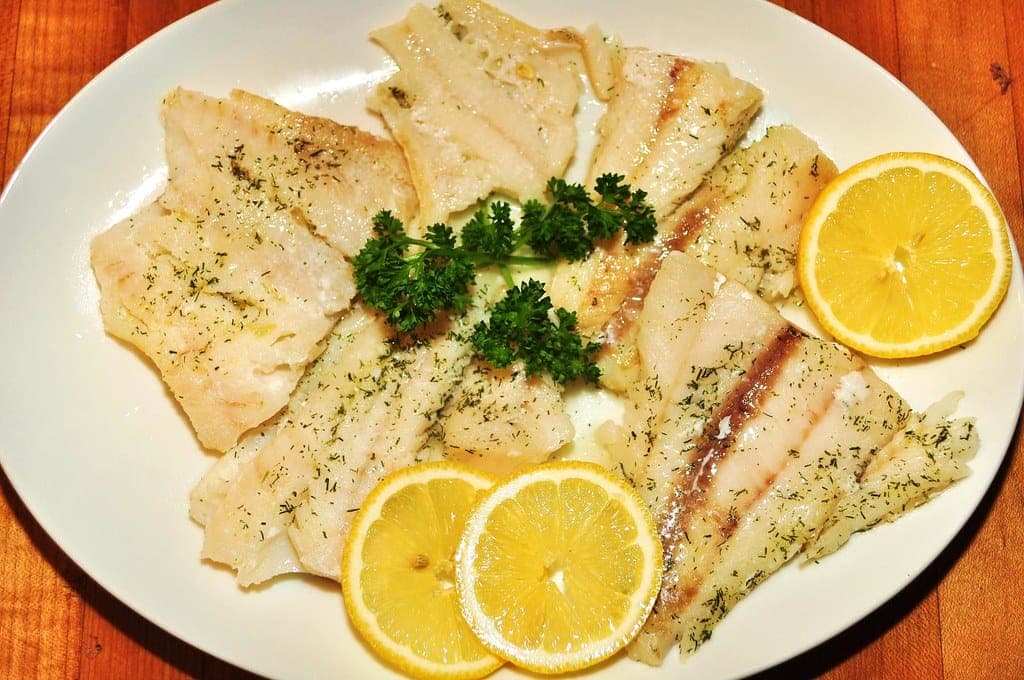
Photo: jeffreyw · CC BY 2.0. Illustrative photo; your results may look different.
Fish cooks quickly, and the difference between moist and dry can be a minute or two. Undercooked fish, on the other hand, can be unsafe. Knowing exactly what to look for takes the guesswork out of cooking it.
This guide covers the official safe temperature, the visual signs that fish is cooked, and how to check different kinds of seafood, from thick salmon fillets to shrimp and mussels.
The safe internal temperature
The USDA and FDA recommend cooking fish to an internal temperature of 145°F (63°C). An instant-read thermometer inserted horizontally into the thickest part of the fillet is the most reliable way to check, because colour and texture can be misleading.
Many cooks prefer salmon slightly less cooked, pulling it at around 125°F (52°C) for a silky, just-translucent centre. That is below the official guidance, so if you are cooking for someone who is pregnant, a young child, an older adult or someone with a weakened immune system, cook fish to 145°F.
Visual signs that fish is done
If you do not have a thermometer, these cues help, especially with thinner fillets:
- The flesh changes from translucent to opaque all the way through. White fish turns milky white; salmon turns from deep orange to a paler, opaque pink.
- The flesh separates easily into flakes when you press it gently with a fork at the thickest part.
- A thin knife or skewer slides in with little resistance.
How to check different types of seafood
Salmon and other oily fish
Check the thickest part. The surface may look done well before the centre, so insert the thermometer or fork in the middle of the fillet. White beads of protein (albumin) appearing on the surface are a sign the fish is close to done or slightly overcooked.
White fish (cod, halibut, haddock, tilapia)
These lean fillets go from moist to dry quickly. Look for flesh that is opaque and just flaking. Thin fillets may need only a few minutes, so start checking early.
Shrimp, lobster and crab
Cook until the flesh is pearly and opaque. Shrimp also turn pink and curl into a loose C shape; a tight O usually means they are overcooked.
Scallops
Cooked scallops are milky white or opaque and firm, with a golden crust if seared.
Clams, mussels and oysters
Cook until the shells open. Discard any that stay closed after cooking. Before cooking, throw away any with cracked or broken shells, or that do not close when tapped.
A rough guide to timing
A common rule of thumb is about 10 minutes of cooking per inch (2.5 cm) of thickness at moderate-to-high heat, such as baking at 400°F (200°C). Treat it as a starting point only: the starting temperature of the fish, the cooking method and the shape of the fillet all make a difference, so always confirm with a thermometer or the visual signs above.
Avoiding overcooked fish
- Bring thick fillets out of the fridge 10 to 15 minutes before cooking so they cook more evenly.
- Fish keeps cooking for a minute or two after it leaves the heat, so take it off as soon as it reaches temperature.
- For uneven fillets, tuck the thin tail end under itself so it is as thick as the rest.
Frequently asked questions
Is it safe to eat fish that is slightly translucent in the middle?
Official guidance is to cook fish until it is opaque and reaches 145°F. Some people choose fish cooked less, but anyone at higher risk of foodborne illness should eat fish cooked to 145°F.
How do you know when salmon is done without a thermometer?
Press the thickest part with a fork. When the flesh has turned opaque and flakes apart easily, it is done. If it resists or still looks glossy and translucent in the centre, give it another minute or two.
Why is my fish rubbery?
Rubbery fish is almost always overcooked. Lean white fish and shellfish in particular toughen quickly, so check them early and take them off the heat as soon as they are opaque.
The bottom line
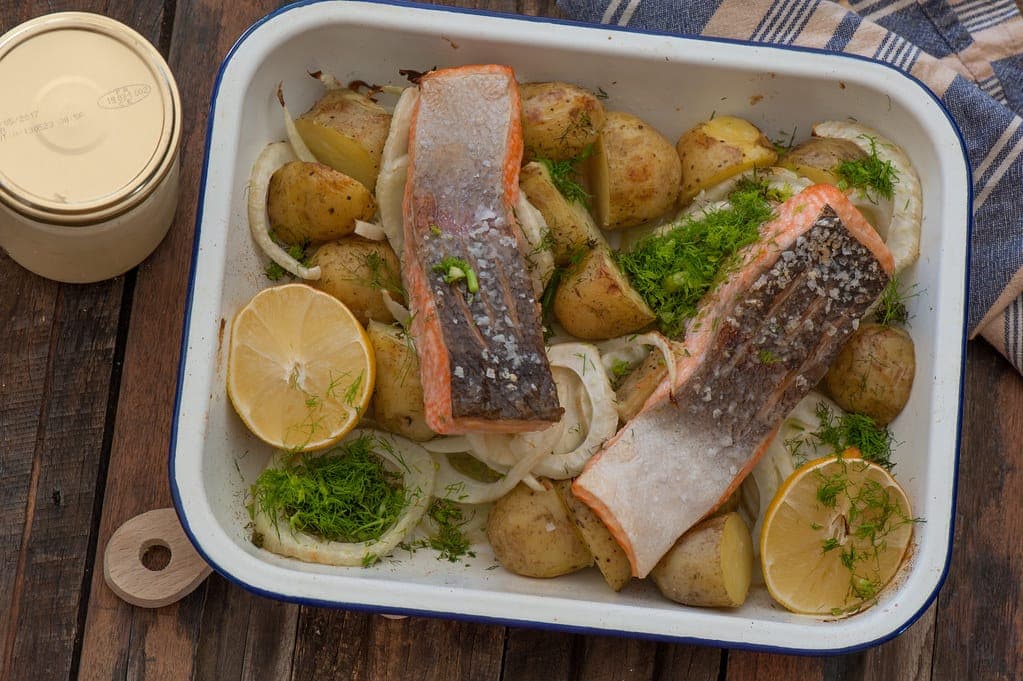
Fish is done at 145°F (63°C), when the flesh is opaque and flakes easily with a fork. Use a thermometer for thick fillets, rely on the visual cues for thin ones and shellfish, and take it off the heat promptly. Try it with our Lemon Herb Salmon with Roasted Potatoes or a quick pan of Garlic Butter Shrimp.
Put it into practice
Recipes to try

More guides
Breakfast Guide · 4 min read
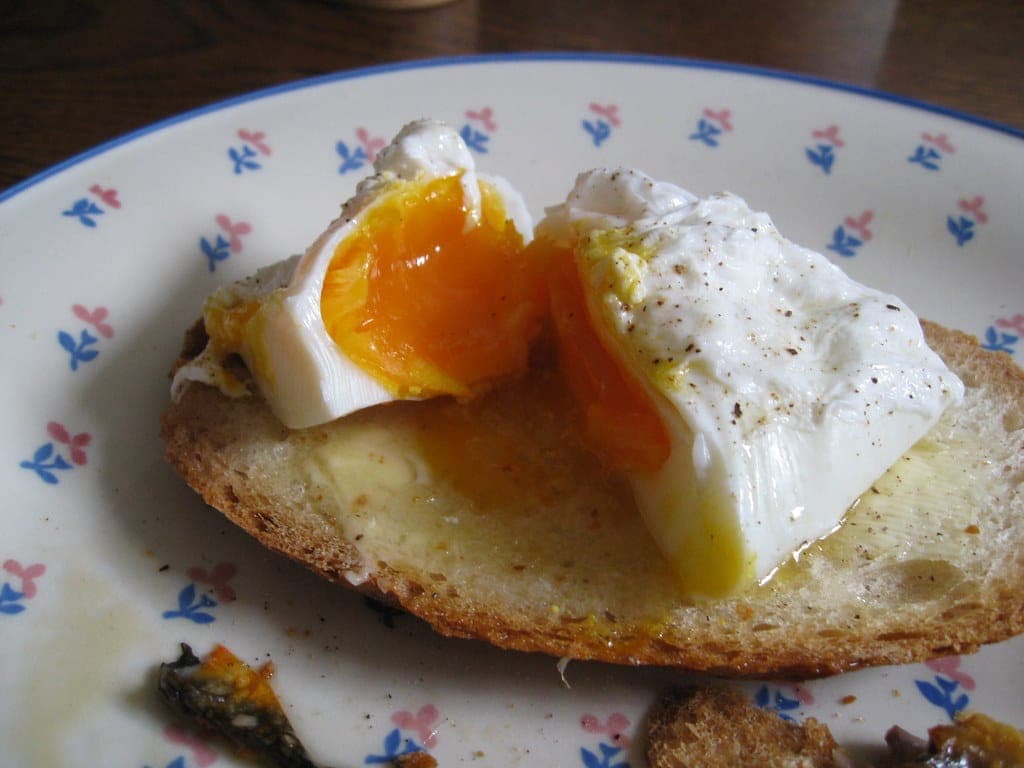
How to Poach an Egg
Learn how to poach an egg with a neat, tender white every time: choosing eggs, water temperature, timing for soft or firm yolks, and how to poach eggs ahead.

Lunch Guide · 4 min read
How to Pack a Lunch Safely
Keep packed lunches cold and safe until you eat them: insulated bags, ice packs, the two-hour rule, keeping hot food hot and which foods travel best.
Beef Guide · 4 min read
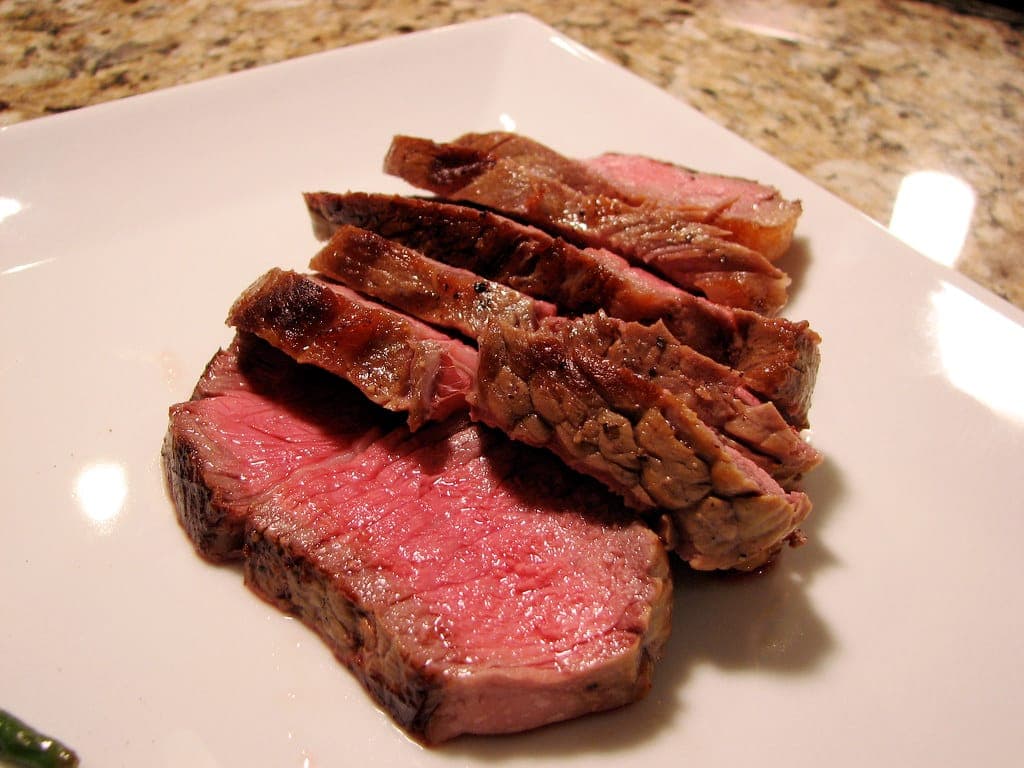
Steak Doneness Temperatures: A Guide From Rare to Well Done
Steak doneness temperatures from rare to well done, when to take the steak off the heat, how to use a thermometer, and what USDA food-safety guidance recommends.
Salads Guide · 3 min read
How to Make Vinaigrette (The 3-to-1 Ratio and Beyond)
Make vinaigrette in two minutes with the classic 3-to-1 ratio. How to emulsify it, balance the flavour, store it, and five variations to try with your salads.