Lunch Guide · 4 min read
How to Pack a Lunch Safely
Keep packed lunches cold and safe until you eat them: insulated bags, ice packs, the two-hour rule, keeping hot food hot and which foods travel best.
By Tasty Nest Recipes Editorial Team · Published
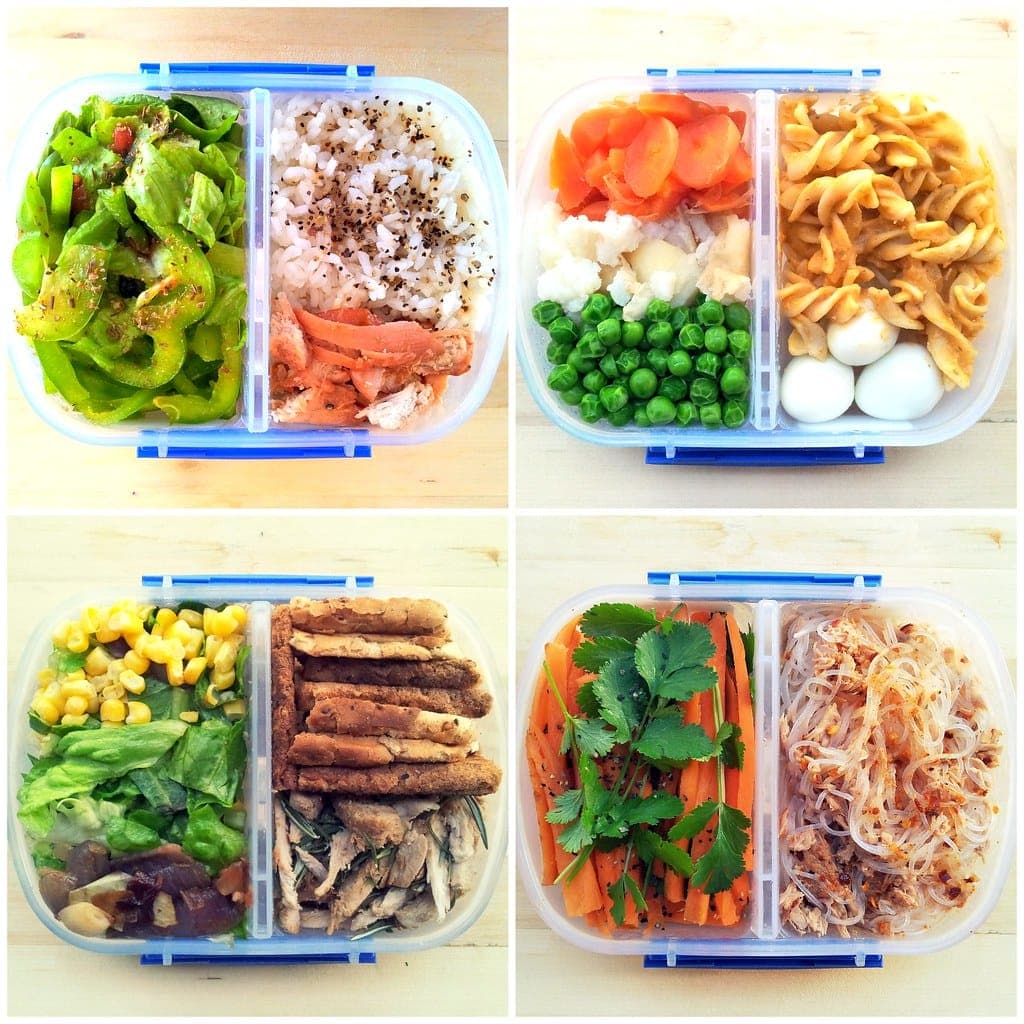
Photo: blairwang · CC BY 2.0. Illustrative photo; your results may look different.
A packed lunch might sit in a bag, a locker or a backpack for hours before anyone eats it. That is long enough for bacteria to multiply in perishable foods such as meat, poultry, eggs, dairy and cooked rice or pasta if they are not kept cold.
The good news is that keeping lunches safe is mostly about a few simple habits. This guide brings together the practical advice from the USDA so your sandwiches, salads and leftovers are as safe at noon as they were when you packed them.
Why temperature matters
Bacteria grow fastest between 40°F and 140°F (4°C and 60°C), which USDA calls the Danger Zone. Perishable food should not sit in that range for more than two hours, or one hour if the air temperature is above 90°F (32°C). The aim of a well-packed lunch is to keep cold food at 40°F or below, and hot food at 140°F or above, until you eat it.
Keeping cold lunches cold
Choose an insulated bag
An insulated lunch bag or box holds the cold far better than a paper bag, which lets cold air escape and can tear as cold items thaw.
Use at least two cold sources
USDA recommends packing at least two cold sources, such as gel packs, a frozen water bottle or a frozen juice box, placed above and below perishable food. Frozen drinks do double duty: they keep the food cold in the morning and are thawed and ready to drink by lunchtime.
Pack it cold to begin with
Start with food straight from the fridge. If you pack lunches the night before, keep the whole bag in the fridge overnight, with the lid open so cold air can circulate, and add the cold packs in the morning.
Use a fridge if there is one
If you have access to a refrigerator at work or school, put your lunch in it as soon as you arrive.
Keeping hot lunches hot
Soups, stews and chilli can travel safely in an insulated vacuum container. Fill the container with boiling water, let it stand for a few minutes, then empty it and add the food while it is piping hot. Keep the lid closed until lunchtime so the food stays at 140°F or above.
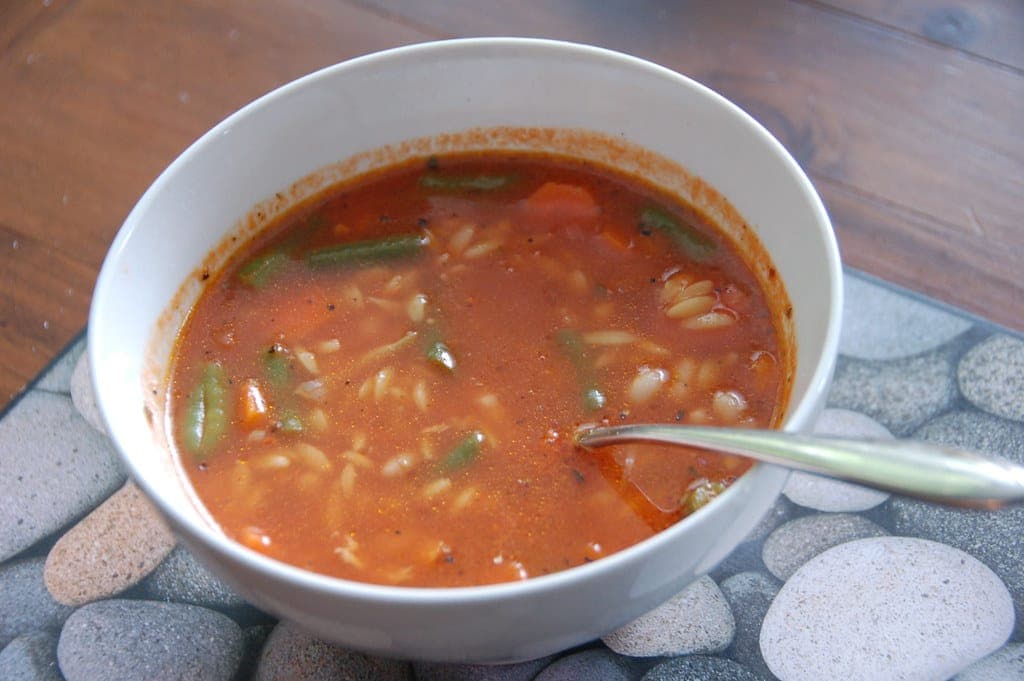
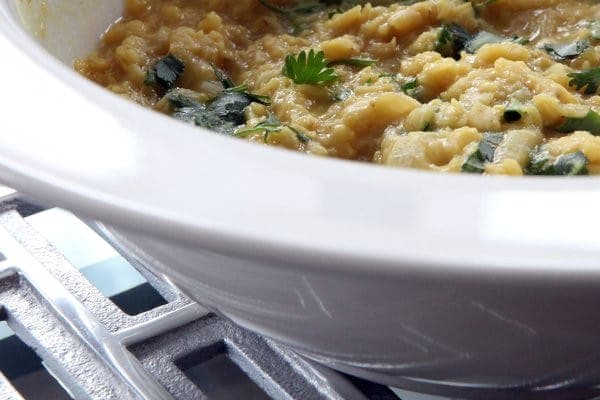
Thick soups such as minestrone or lentil dal are ideal for this, as long as they are reheated until steaming hot before they go in.
Foods that travel well
Some foods are naturally lower-risk at room temperature and make good additions to any lunchbox, alongside properly chilled perishables:
- Whole fruit and sturdy vegetables such as carrots, apples and grapes.
- Crackers, bread, pretzels and other dry snacks.
- Unopened shelf-stable items, such as single-serve packs of peanut butter or canned tuna (pack them with cold sources once opened or mixed).
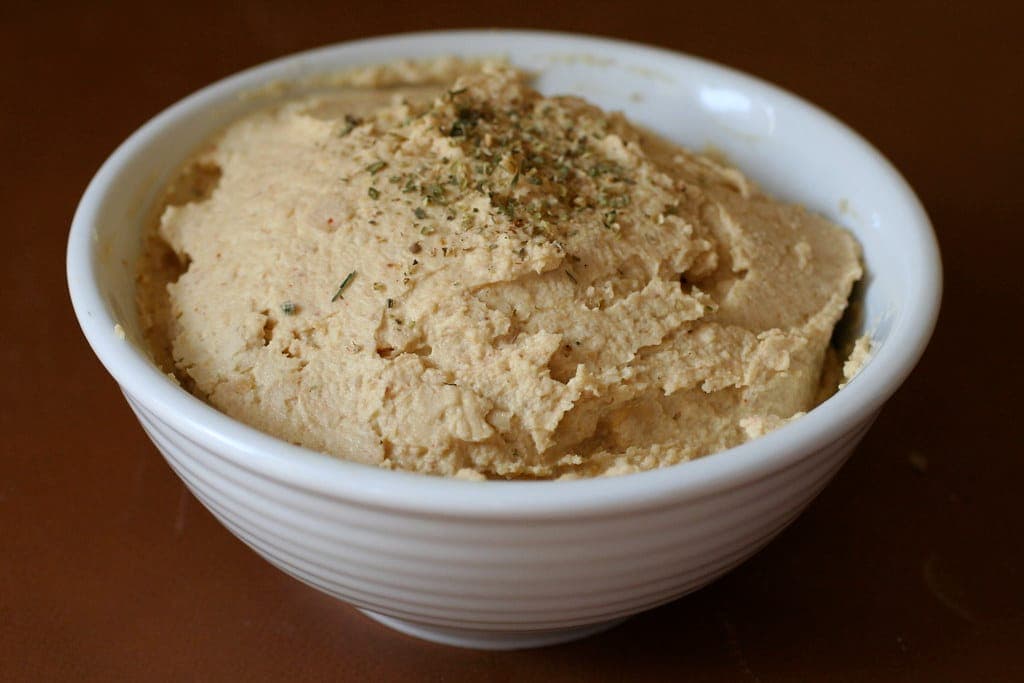
- Dips such as hummus, packed with a cold source.
After lunch
Throw away any perishable leftovers, used food packaging and paper bags rather than bringing them home to eat later. USDA advises against reusing packaging such as plastic bags or foil, which can carry bacteria onto other food.
Wash and sanitise the lunchbox or bag every day, including any reusable cold packs and containers, to remove crumbs and spills.
A quick packing checklist
- Wash your hands and clean the counter before you start.
- Pack perishable food straight from the fridge.
- Add at least two cold sources to an insulated bag.
- Preheat a vacuum flask for hot food.
- Refrigerate the lunch on arrival if possible.
- Discard perishable leftovers after lunch and clean the box each day.
Frequently asked questions
How long can a packed lunch stay out of the fridge?
Perishable food should not be in the 40°F to 140°F Danger Zone for more than two hours, or one hour above 90°F. An insulated bag with at least two cold sources helps keep food below 40°F until lunchtime.
Can I freeze sandwiches to keep them cold?
Many sandwiches made with meat, cheese and sturdy bread freeze well and thaw by lunch. Leave out lettuce, tomato and mayonnaise, which do not freeze well, and pack them separately.
Do I need ice packs if my lunch will be refrigerated at work?
Yes, for the journey. Cold sources keep the food cold while you travel, and you can move the lunch to the fridge once you arrive.
The bottom line
A safe packed lunch starts cold and stays cold: pack it from the fridge into an insulated bag with at least two cold sources, refrigerate it when you can, and keep hot food in a preheated flask. Clean the box daily and discard perishable leftovers, and your homemade lunches will be as safe as they are good.
Put it into practice
Recipes to try
More guides
Breakfast Guide · 4 min read
How to Poach an Egg
Learn how to poach an egg with a neat, tender white every time: choosing eggs, water temperature, timing for soft or firm yolks, and how to poach eggs ahead.
Beef Guide · 4 min read
Steak Doneness Temperatures: A Guide From Rare to Well Done
Steak doneness temperatures from rare to well done, when to take the steak off the heat, how to use a thermometer, and what USDA food-safety guidance recommends.
Seafood Guide · 3 min read
How to Tell When Fish Is Done
How to tell when fish is cooked: the safe internal temperature, what opaque and flaky really look like, and how to check salmon, white fish, shrimp and shellfish.
Salads Guide · 3 min read
How to Make Vinaigrette (The 3-to-1 Ratio and Beyond)
Make vinaigrette in two minutes with the classic 3-to-1 ratio. How to emulsify it, balance the flavour, store it, and five variations to try with your salads.