Salads Guide · 3 min read
How to Make Vinaigrette (The 3-to-1 Ratio and Beyond)
Make vinaigrette in two minutes with the classic 3-to-1 ratio. How to emulsify it, balance the flavour, store it, and five variations to try with your salads.
By Tasty Nest Recipes Editorial Team · Published
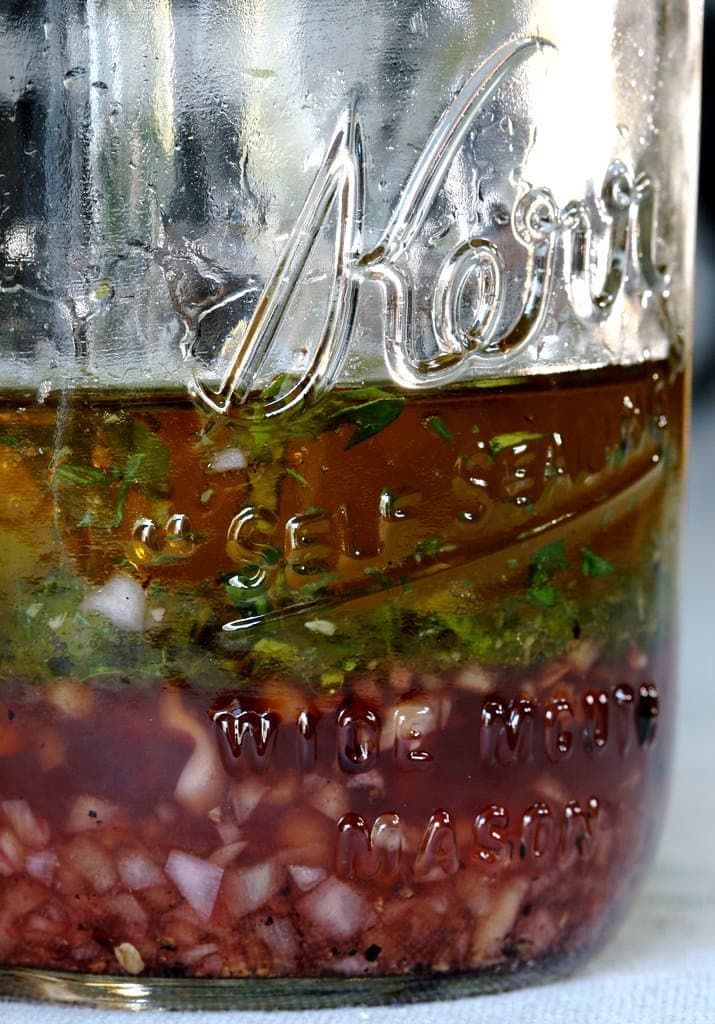
Photo: Steven Jackson Photography · CC BY 2.0. Illustrative photo; your results may look different.
Once you can make a vinaigrette, you will rarely need a bottle of shop-bought dressing again. It takes about two minutes, costs very little and can be adjusted to suit any salad.
Every vinaigrette is built on the same simple formula: oil, acid, salt and something to help them combine. Learn the ratio and the method below, and you can improvise endless variations.
The basic ratio
The classic starting point is three parts oil to one part acid. For a small batch for four servings of salad:
- 3 tablespoons extra-virgin olive oil
- 1 tablespoon vinegar or citrus juice
- 1/2 teaspoon Dijon mustard
- 1 small pinch of salt and a few grinds of black pepper
Adjusting the balance
Three to one is a guide, not a rule. Mild acids such as rice vinegar or lemon juice can take a little less oil; bold, sharp vinegars may need more. Some cooks prefer a punchier two-to-one dressing for sturdy greens. Taste the dressing on a leaf of your salad, not from a spoon, and adjust.
Step-by-step method
- Put the acid and salt in a small bowl or jar first and stir so the salt dissolves; salt does not dissolve in oil.
- Add the mustard and any other flavourings, such as minced shallot, garlic or honey.
- Either whisk constantly while pouring in the oil in a thin stream, or add all the oil to the jar, close the lid tightly and shake hard for 15 to 20 seconds.
- Taste on a salad leaf and adjust with more acid, oil, salt or a touch of sweetness.
Why mustard helps
Oil and vinegar do not want to mix. When you whisk or shake them, the oil breaks into tiny droplets suspended in the vinegar, called an emulsion, but they soon separate again. Mustard contains natural emulsifiers that coat the droplets and keep the dressing creamy for longer. Honey, miso, tahini and finely grated garlic also help.
A vinaigrette will still separate as it sits. That is normal; simply shake or whisk it again before using.
Choosing oils and acids
Oils
Extra-virgin olive oil is the classic choice and adds a fruity, peppery flavour. For a lighter or more neutral dressing, use part sunflower or grapeseed oil. A spoonful of toasted sesame or walnut oil adds character, but use it in small amounts as these flavours are strong.
Acids
Red and white wine vinegar are versatile all-rounders. Sherry vinegar is nutty, balsamic is sweet and rich, cider vinegar is fruity and rice vinegar is mild. Lemon and lime juice are bright and fresh but lose their punch after a day or two.
Five variations to try
- Lemon-Dijon: lemon juice, Dijon mustard and a little lemon zest. Good on almost anything.
- Balsamic: balsamic vinegar with a small amount of Dijon; wonderful with tomatoes and mozzarella.
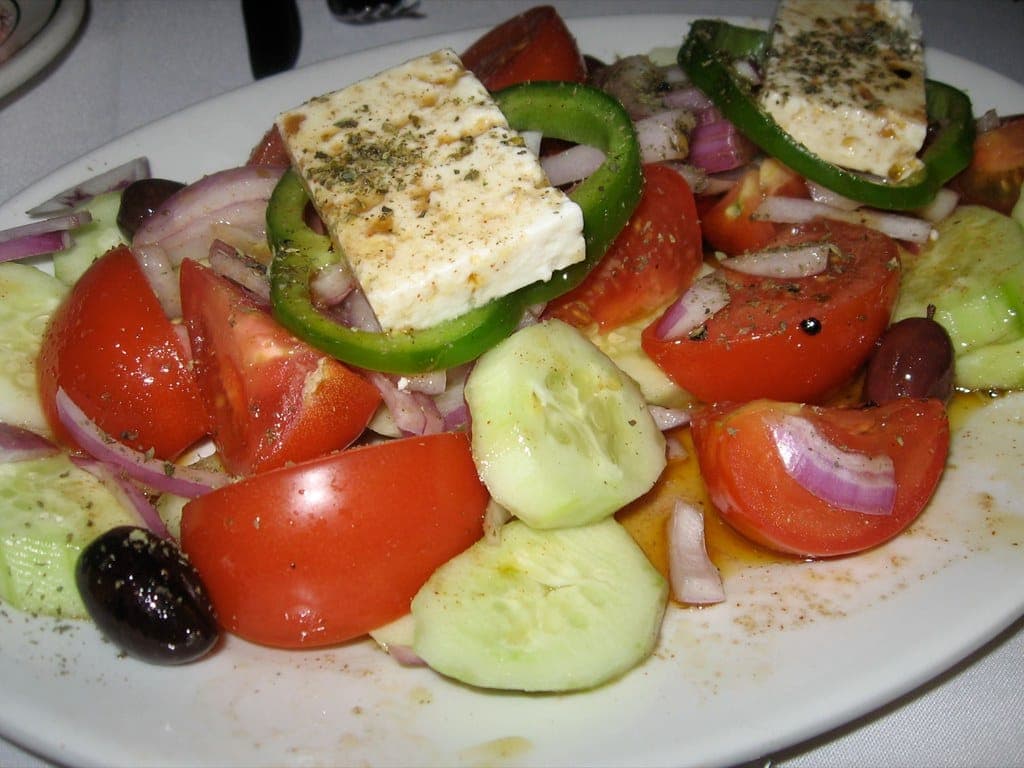
- Greek-style: red wine vinegar, dried oregano and a little garlic, perfect for our Greek Village Salad.
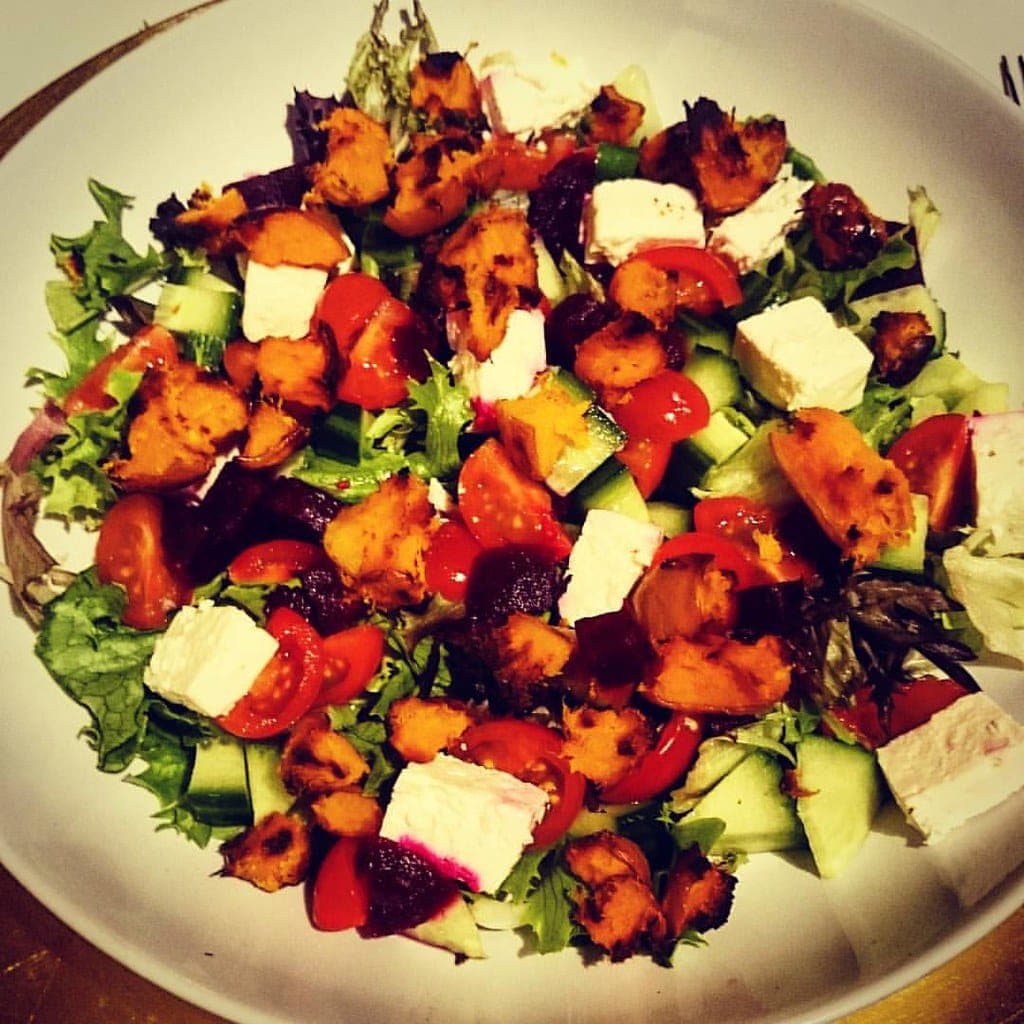
- Maple-cider: apple cider vinegar, Dijon and maple syrup, as in our Roasted Squash Salad with Feta and Cranberries.
- Sherry-shallot: sherry vinegar with a finely minced shallot left to soften in the vinegar for 10 minutes before adding the oil.
How much dressing to use
Leaves should be lightly coated, not swimming. Start with about 1 tablespoon of dressing per 2 cups of loosely packed greens, toss well with your hands or tongs, and add more only if needed. Dress tender greens just before serving so they do not wilt.
Frequently asked questions
How long does homemade vinaigrette last?
A simple oil and vinegar dressing keeps in a sealed jar in the fridge for about a week. Dressings containing fresh garlic, shallot, herbs or citrus juice are best used within 3 to 4 days.
Why does my vinaigrette go solid in the fridge?
Extra-virgin olive oil thickens and turns cloudy when cold. It is not spoiled; leave the jar at room temperature for 10 to 15 minutes, then shake it well before using.
Can I make vinaigrette without mustard?
Yes. The dressing will separate more quickly, but you can shake it again just before using, or use honey, a little tahini or mashed garlic to help it stay combined.
The bottom line
Start with three parts oil to one part acid, dissolve the salt in the acid, add a little mustard and shake or whisk it together. Taste on a leaf, adjust, and dress your salad just before serving. Once you have the ratio down, you can change the oil, acid and flavourings to suit every salad you make.
Put it into practice
Recipes to try
More guides
Breakfast Guide · 4 min read
How to Poach an Egg
Learn how to poach an egg with a neat, tender white every time: choosing eggs, water temperature, timing for soft or firm yolks, and how to poach eggs ahead.
Lunch Guide · 4 min read
How to Pack a Lunch Safely
Keep packed lunches cold and safe until you eat them: insulated bags, ice packs, the two-hour rule, keeping hot food hot and which foods travel best.
Beef Guide · 4 min read
Steak Doneness Temperatures: A Guide From Rare to Well Done
Steak doneness temperatures from rare to well done, when to take the steak off the heat, how to use a thermometer, and what USDA food-safety guidance recommends.
Seafood Guide · 3 min read
How to Tell When Fish Is Done
How to tell when fish is cooked: the safe internal temperature, what opaque and flaky really look like, and how to check salmon, white fish, shrimp and shellfish.