Cakes & Cookies Guide · 3 min read
Baking Soda vs Baking Powder: What's the Difference?
Baking soda and baking powder both make bakes rise, but they work differently. Learn how each works, why recipes use both, how to swap them and how to test freshness.
By Tasty Nest Recipes Editorial Team · Published
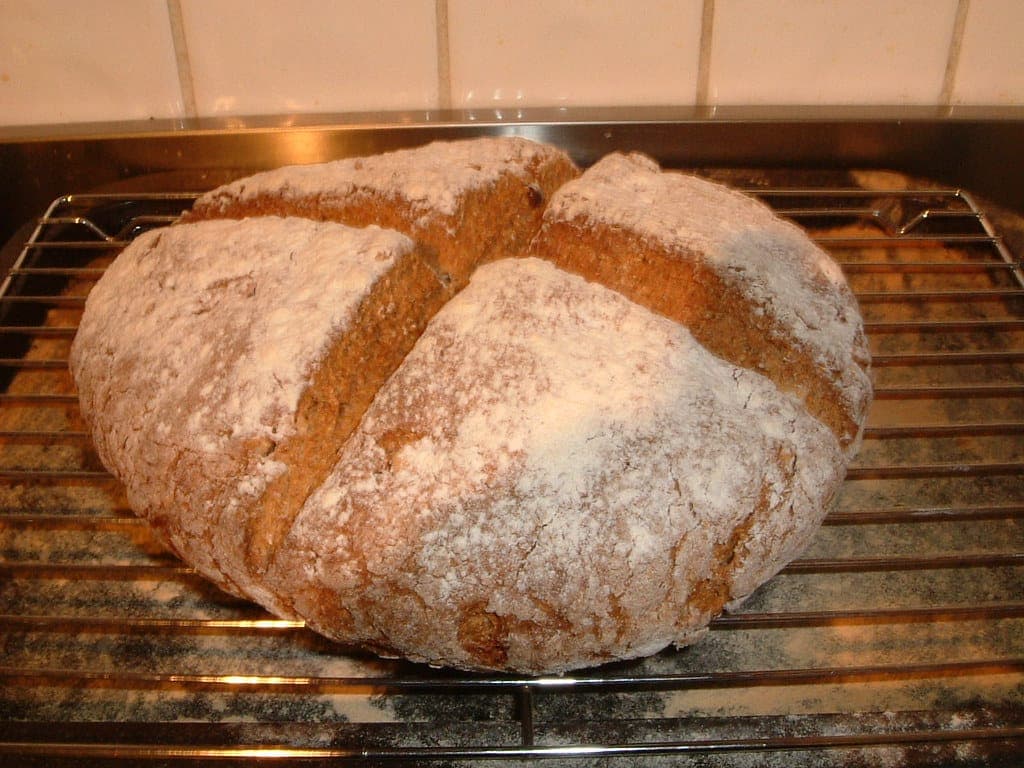
Photo: TheLizardQueen · CC BY 2.0. Illustrative photo; your results may look different.
Baking soda and baking powder look almost identical and are both used to make cakes, cookies, muffins and pancakes rise. But they are not interchangeable, and using the wrong one, or the wrong amount, can leave a bake flat, dense or tasting oddly metallic.
This guide explains what each one does, why many recipes use both, how to substitute one for the other in a pinch and how to check that yours are still working.
How baking soda works
Baking soda is pure sodium bicarbonate, an alkaline (basic) ingredient. When it is mixed with an acid and moisture, it produces carbon dioxide gas, and those bubbles expand in the heat of the oven to lift the batter or dough.
Because baking soda needs an acid to react, recipes that use it always include an acidic ingredient, such as buttermilk, yoghurt, sour cream, lemon juice, vinegar, brown sugar, honey, molasses or natural cocoa powder.
Other effects of baking soda
Baking soda also encourages browning and helps cookies spread. Too much leaves a soapy or metallic taste, so measure it carefully; a little goes a long way. It reacts as soon as it meets wet, acidic ingredients, so batters made with only baking soda should go into the oven promptly.
How baking powder works
Baking powder is a complete leavening system in one: baking soda plus one or more dry acids, with a little starch to keep it dry. Because it contains its own acid, it works in recipes without other acidic ingredients, such as a plain vanilla cake made with regular milk.
Most baking powder sold today is double-acting. It releases some gas when it is mixed with liquid and more when it is heated in the oven, which gives more forgiving, reliable results.
Why some recipes use both
Recipes often call for baking soda and baking powder together, as in our buttermilk pancakes. The baking soda neutralises the acidic buttermilk, improves browning and gives some lift. The baking powder provides the rest of the rise, so the pancakes are light without tasting of soda.
Can you substitute one for the other?
In an emergency, yes, but the results will not be identical.
Out of baking powder?
Make your own: for each 1 teaspoon of baking powder, mix 1/4 teaspoon of baking soda with 1/2 teaspoon of cream of tartar. Use it straight away, since homemade powder is single-acting and starts reacting as soon as it gets wet.
Out of baking soda?
You can use roughly three times as much baking powder (3 teaspoons of baking powder for every 1 teaspoon of baking soda). Expect a paler, slightly cakier result, and possibly a more bitter taste from the extra powder. This works best in recipes that need only a small amount of baking soda.
How to test if they are still active
Both lose strength over time, especially once opened. Test them before an important bake:
- Baking powder: stir 1/2 teaspoon into 1/4 cup of hot water. It should bubble vigorously straight away.
- Baking soda: add 1/4 teaspoon to a couple of tablespoons of vinegar. It should fizz immediately.
Storing leavening agents
Keep both tightly sealed in a cool, dry cupboard, away from steam. Write the date on the container when you open it; many bakers replace them every 6 to 12 months, or sooner if they fail the test above.
Frequently asked questions
What happens if you use baking soda instead of baking powder?
Without enough acid in the recipe, the baking soda will not react fully. The bake may rise poorly, brown too much and taste soapy or metallic. If you must swap, add an acid such as cream of tartar.
Why do my cookies taste metallic?
Usually too much baking soda, or baking soda that was not evenly mixed into the flour. Measure carefully with level spoons and whisk the leavening into the dry ingredients before adding them.
Is baking soda the same as bicarbonate of soda?
Yes. Baking soda, bicarbonate of soda and sodium bicarbonate are the same ingredient. In the UK it is often called bicarb.
The bottom line
Baking soda needs an acid to work and also helps browning and spread; baking powder brings its own acid and gives a reliable rise. Many recipes use both for the best balance. Measure them carefully, test them if they have been open a while, and keep a simple homemade baking powder swap in mind for emergencies.
Ready to cook?
Put this into practice with our cakes & cookies recipes.
Browse cakes & cookies recipesPut it into practice
Recipes to try



More guides
Breakfast Guide · 4 min read
How to Poach an Egg
Learn how to poach an egg with a neat, tender white every time: choosing eggs, water temperature, timing for soft or firm yolks, and how to poach eggs ahead.

Lunch Guide · 4 min read
How to Pack a Lunch Safely
Keep packed lunches cold and safe until you eat them: insulated bags, ice packs, the two-hour rule, keeping hot food hot and which foods travel best.
Beef Guide · 4 min read
Steak Doneness Temperatures: A Guide From Rare to Well Done
Steak doneness temperatures from rare to well done, when to take the steak off the heat, how to use a thermometer, and what USDA food-safety guidance recommends.

Seafood Guide · 3 min read
How to Tell When Fish Is Done
How to tell when fish is cooked: the safe internal temperature, what opaque and flaky really look like, and how to check salmon, white fish, shrimp and shellfish.