Recipe Guide · 4 min read
Why Isn't My Roast Chicken Skin Crispy?
Soft, pale skin on a roast chicken almost always comes down to moisture or heat. Find the cause of yours and the fix, plus how to re-crisp skin after cooking.
By Tasty Nest Recipes Editorial Team · Published
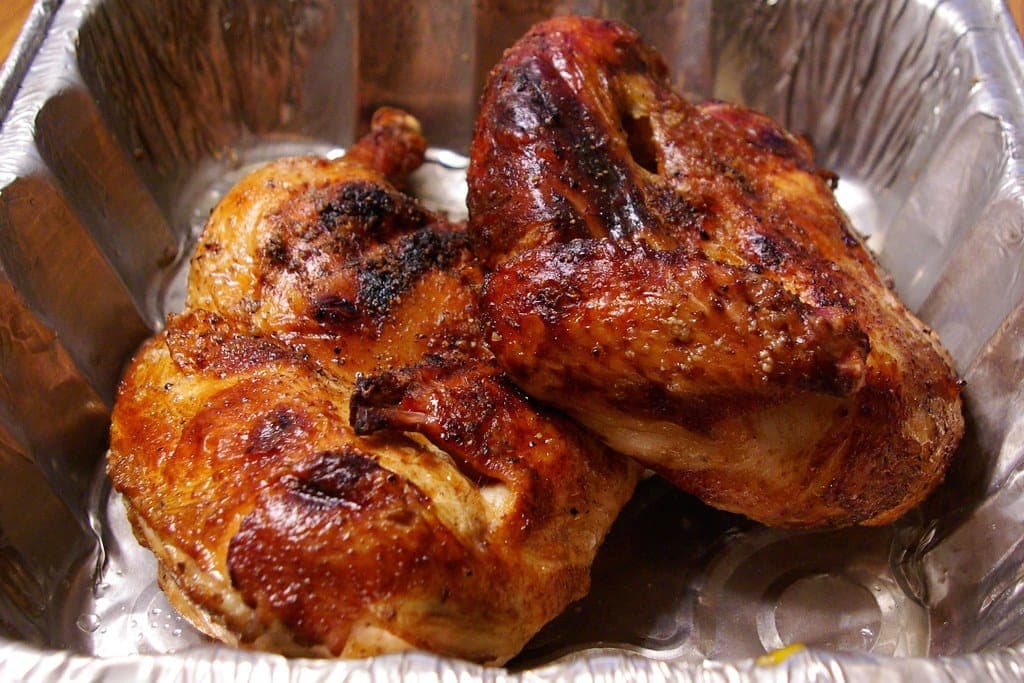
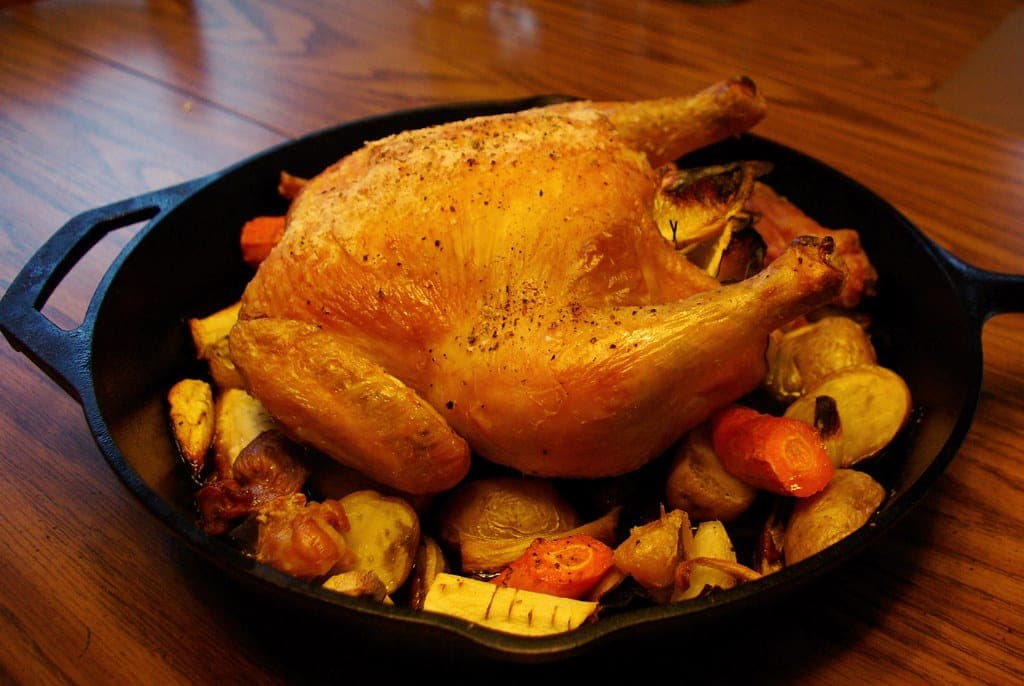
Photo: Chuck.falzone · CC BY 2.0. Illustrative photo; your results may look different.
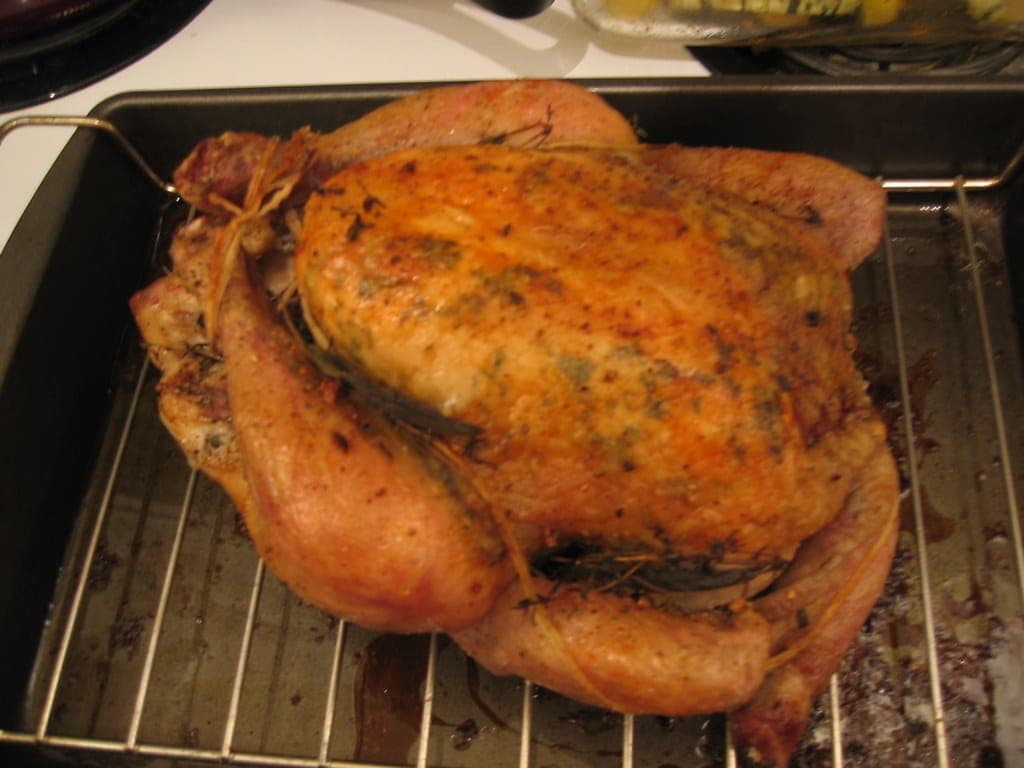 This guide goes with our recipeLemon Herb Roast Chicken 1 hr 45 min · 4 servings
Crisp, golden skin is half the pleasure of a roast chicken, so it is disappointing when the bird comes out pale, soft or rubbery. The good news is that the causes are few and predictable, and nearly all of them are easy to fix next time.
Skin crisps when its moisture evaporates and the fat underneath renders out, leaving a thin layer that can brown. Anything that adds moisture or lowers the heat works against that process. Use the list below to work out what happened to your chicken.
Moisture is the main culprit
Water has to evaporate before skin can brown, and while it is evaporating, the surface stays at around the boiling point of water, far too cool to crisp. The drier the skin is when it goes into the oven, the sooner browning can begin. That is why the first few fixes below are all about removing moisture.
Common causes and how to fix them
1. The skin was wet when it went in
Chicken straight from the packaging is usually damp. Pat it thoroughly dry with paper towels inside and out, including under the wings and between the legs and body. For the best results, salt it and leave it uncovered on a rack in the fridge for 4 to 24 hours; this dry brine both seasons the meat and dries the skin.
2. The oven was not hot enough
Low-temperature roasting can give tender meat but soft skin. A temperature of around 425°F (220°C), as in our Lemon Herb Roast Chicken, renders fat and browns the skin efficiently. Oven thermostats are often inaccurate, so an inexpensive oven thermometer is worth having if your results are consistently pale.
3. The pan was crowded or too deep
Vegetables packed tightly around the bird release steam, and high-sided pans trap it. Give the chicken some space, use a pan with sides no higher than a couple of inches, or raise the bird on a rack or on thick onion slices so hot air can circulate.
4. It was basted
Spooning pan juices over the chicken adds liquid to the very surface you are trying to dry, and opening the oven door repeatedly lets heat escape. If you want flavour on the skin, brush it with a little melted butter or oil at the start and then leave it alone.
5. The skin was torn or loose
When you season under the skin, a large tear lets the butter and juices pool on top, and loose skin can pull away and shrink. Loosen the skin gently with your fingertips rather than a utensil, and use a little less butter if it tends to leak.
6. It was covered while resting
Wrapping the chicken tightly in foil after roasting traps steam, which softens the skin you have just crisped. Rest it uncovered, or with only a loose tent of foil if your kitchen is cold.
7. It was cooked in a bag or covered dish
Roasting bags, lids and foil covers all hold in moisture. They can produce very moist meat, but the skin will not crisp unless you uncover the chicken for the final 20 to 30 minutes at a high temperature.
How to rescue soft skin
If the meat is cooked but the skin is pale, you can still improve it. Move the chicken to a baking sheet and place it under a hot broiler for 2 to 4 minutes, watching constantly and turning the pan as needed, until the skin blisters and browns. Alternatively, return it to a 475°F (245°C) oven for 5 to 10 minutes.
Keep an eye on the breast during this step. It is already cooked, so a few extra minutes is enough; any longer and the meat will start to dry out.
Frequently asked questions
Does baking powder make chicken skin crispy?
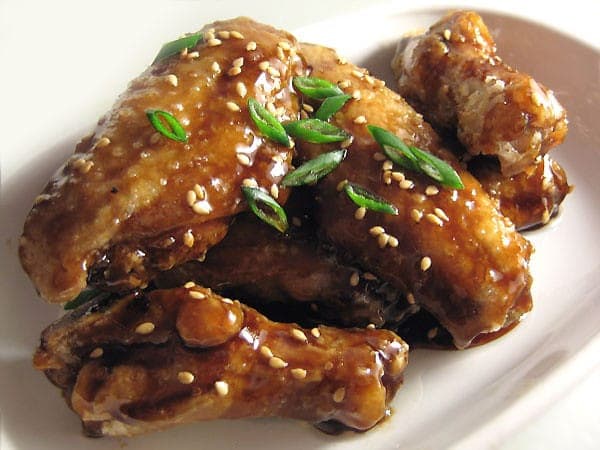
A small amount of baking powder mixed with salt helps skin crisp and blister, and it works especially well on wings, as in our honey garlic wings. Use baking powder rather than baking soda, which tastes soapy, and use only a little: about 1 teaspoon per pound mixed with the salt.
Should roast chicken be covered with foil?
Only partly, and only if needed. If the breast is browning too quickly before the thighs are done, lay a loose piece of foil over the breast alone. Covering the whole bird traps steam and softens the skin.
Why is my chicken skin rubbery?
Rubbery skin means the fat underneath has not rendered. It usually happens at low oven temperatures or with very short cooking times. Higher heat, drier skin and a little more time solve it.
The bottom line
For crisp skin, start dry and stay dry: pat the chicken well, salt it ahead if you can, roast it at a high temperature with room around it, and skip the basting and tight foil. If it still comes out soft, a few minutes under the broiler will rescue it.
Ready to cook?
Put this into practice with our lemon herb roast chicken recipe, or browse more chicken recipes.
Put it into practice
Recipes to try
More guides
Recipe Guide · 4 min read
How to Dry Brine a Whole Chicken
Dry brining is the simplest way to a juicier, better-seasoned roast chicken. Learn how much salt to use, how long to leave it and how it helps the skin crisp.
Recipe Guide · 5 min read
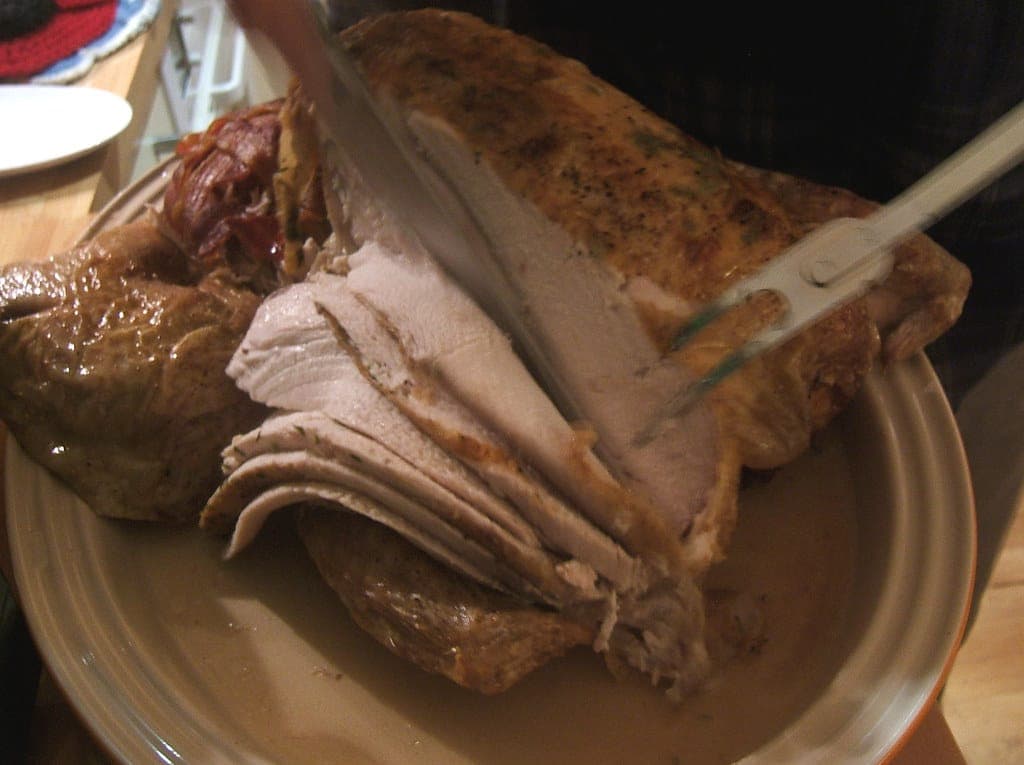
How to Carve a Roast Chicken
Carve a roast chicken neatly in about five minutes: what tools you need, how long to rest it, and how to remove the legs, wings and breast in clean slices.
Recipe Guide · 4 min read
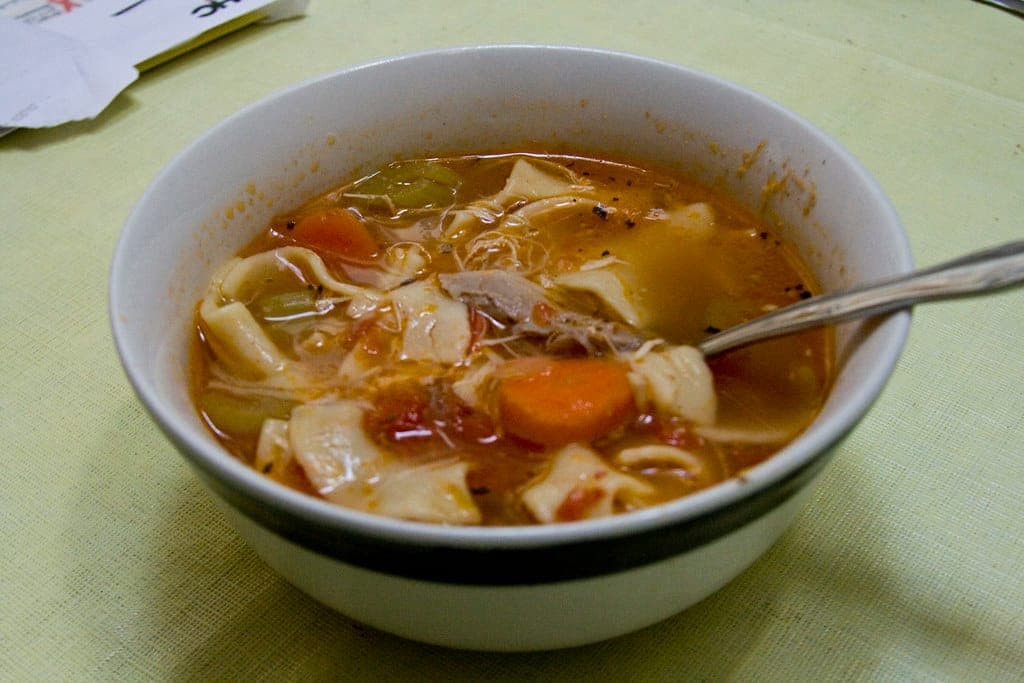
What to Do With Leftover Roast Chicken
Turn leftover roast chicken into soups, salads, pasta and more. Twelve easy ideas, plus how to store and reheat cooked chicken safely so nothing goes to waste.
Breakfast Guide · 4 min read
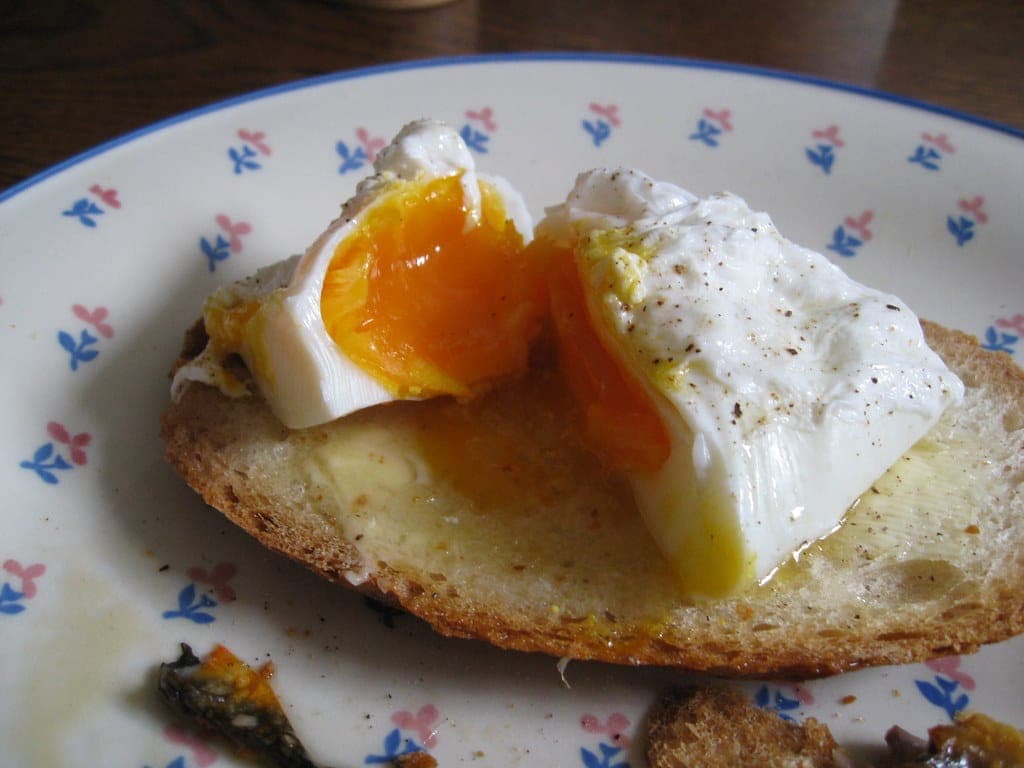
How to Poach an Egg
Learn how to poach an egg with a neat, tender white every time: choosing eggs, water temperature, timing for soft or firm yolks, and how to poach eggs ahead.