Recipe Guide · 4 min read
What to Do With Leftover Roast Chicken
Turn leftover roast chicken into soups, salads, pasta and more. Twelve easy ideas, plus how to store and reheat cooked chicken safely so nothing goes to waste.
By Tasty Nest Recipes Editorial Team · Published
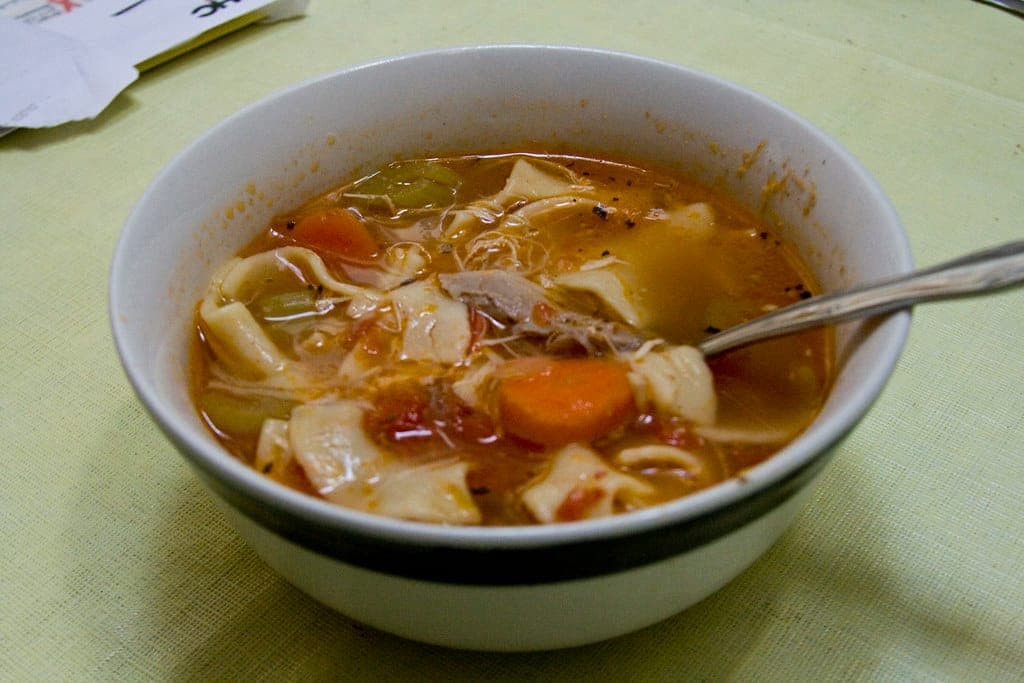
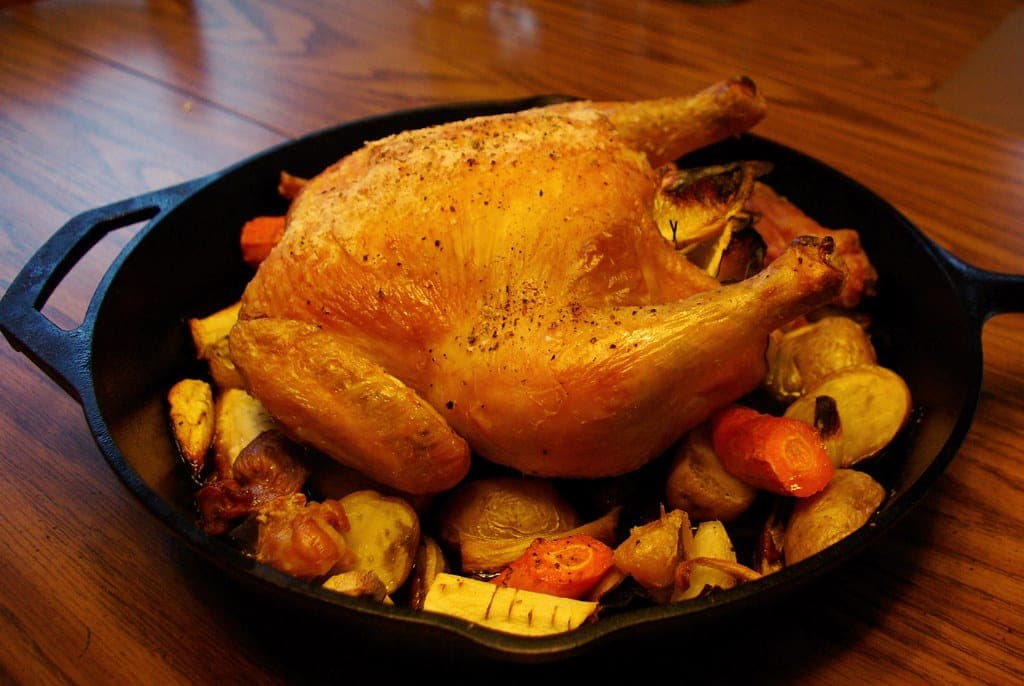
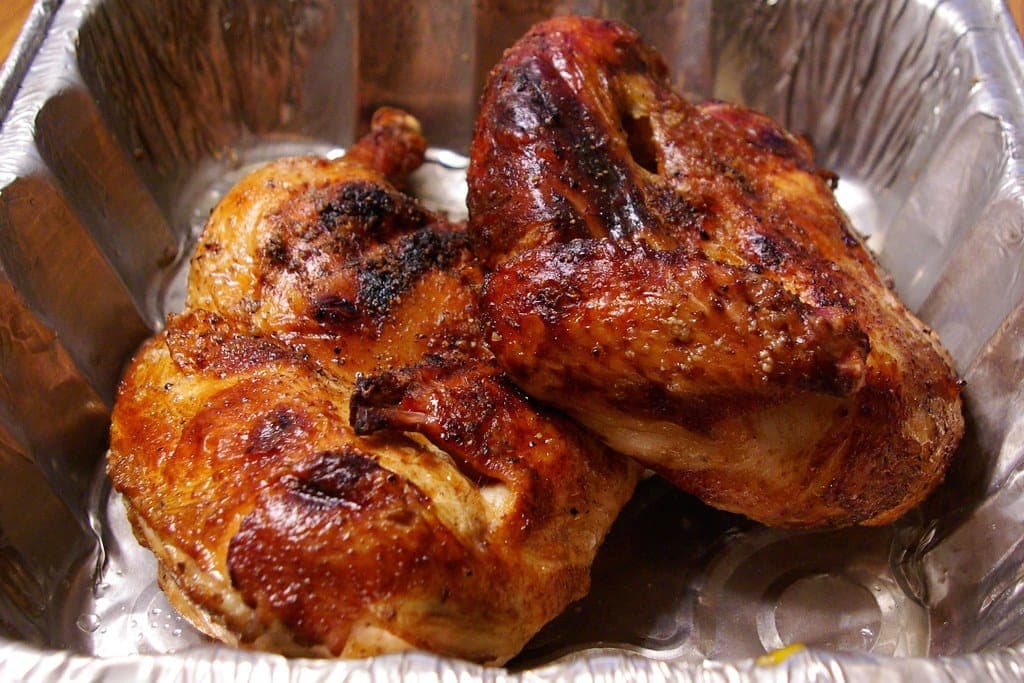
Photo: bobjudge · CC BY 2.0. Illustrative photo; your results may look different.
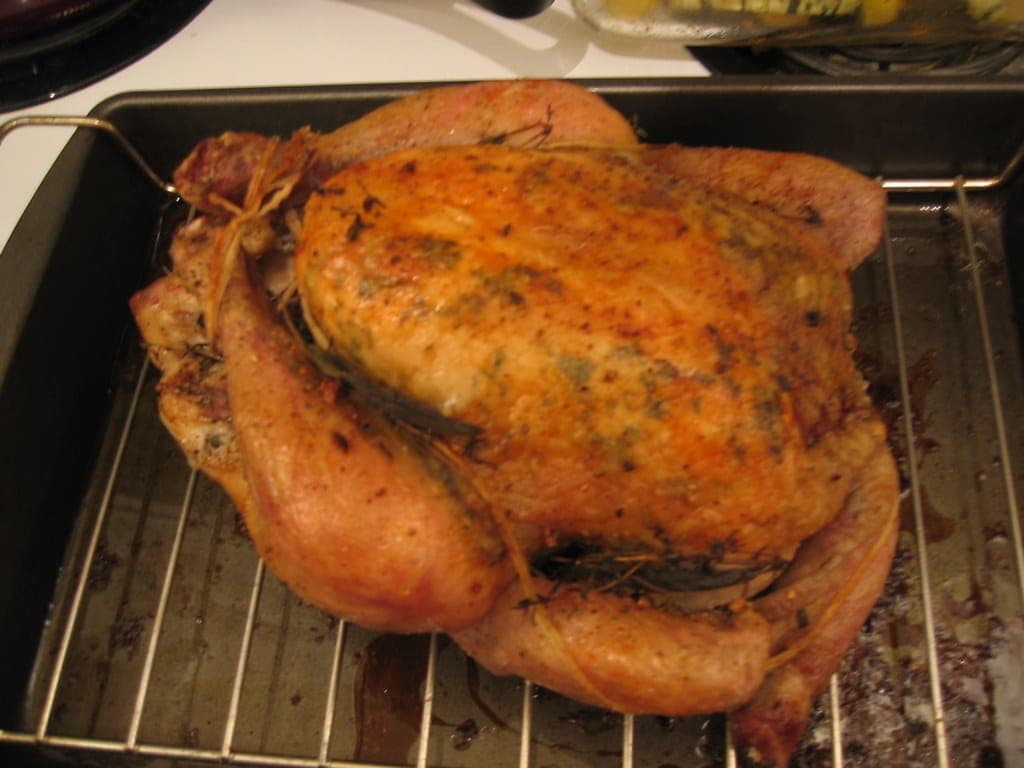 This guide goes with our recipeLemon Herb Roast Chicken 1 hr 45 min · 4 servings
One of the best things about roasting a whole chicken is what happens the next day. A few cups of cooked chicken can become a quick soup, a filling salad or a pan of pasta in the time it takes to boil water.
Below are twelve ideas grouped by type of meal, several of them built on recipes already on Tasty Nest Recipes. First, though, a quick word on storing leftovers safely so they stay good to eat.
Before you start: storing leftovers
According to the USDA Food Safety and Inspection Service, cooked chicken should be refrigerated within two hours of cooking (within one hour if the air temperature is above 90°F / 32°C). Pull the meat from the bones while it is still warm, which is much easier than when it is cold, and store it in shallow, covered containers so it cools quickly.
Refrigerated cooked chicken should be eaten within 3 to 4 days. If you will not use it in that time, freeze it in portions; it stays safe frozen, although its quality is best within about four months. Reheat leftovers until they are steaming hot, to 165°F (74°C).
Soups and stews
1. Chicken tortilla soup
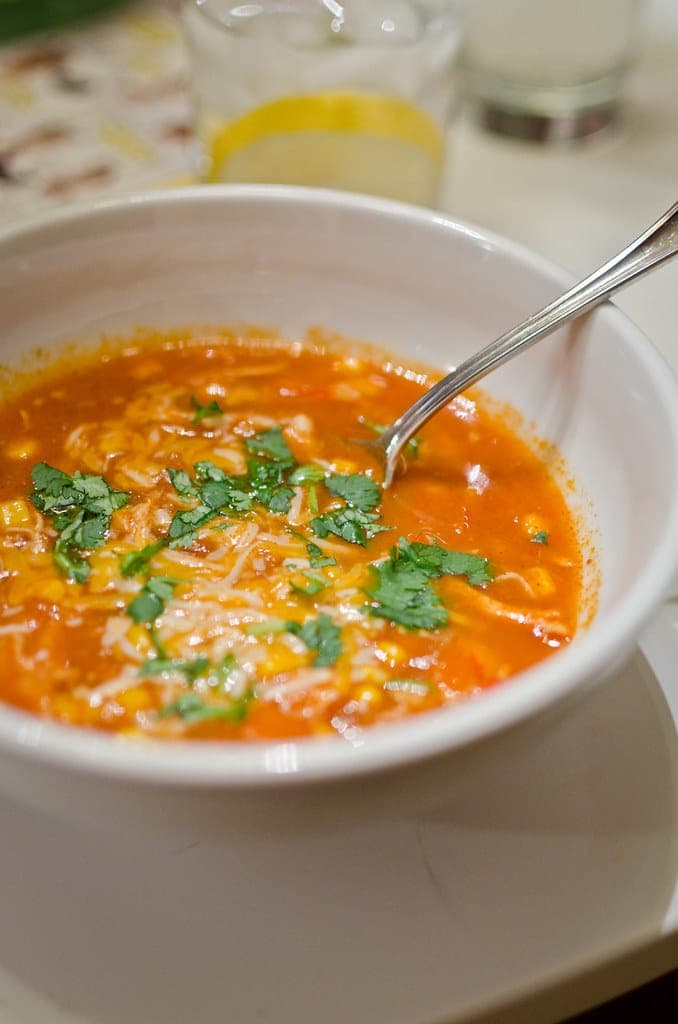
Our Chicken Tortilla Soup works beautifully with leftover chicken. Simmer the broth and tomatoes for just 10 minutes, then stir in 3 to 4 cups of shredded roast chicken with the corn. Top with crisp tortilla strips, cheese and cilantro.
2. Chicken noodle soup
Soften onion, carrot and celery in a little butter, add good chicken stock and simmer until the vegetables are tender. Add egg noodles, then the chopped chicken for the last few minutes so it heats through without becoming stringy. Finish with parsley and a squeeze of lemon.
3. Creamy tomato soup with chicken
For a heartier bowl, stir some shredded chicken into our Creamy Tomato Basil Soup after blending and heat gently until warmed through.
Salads and sandwiches
4. Greek salad with chicken
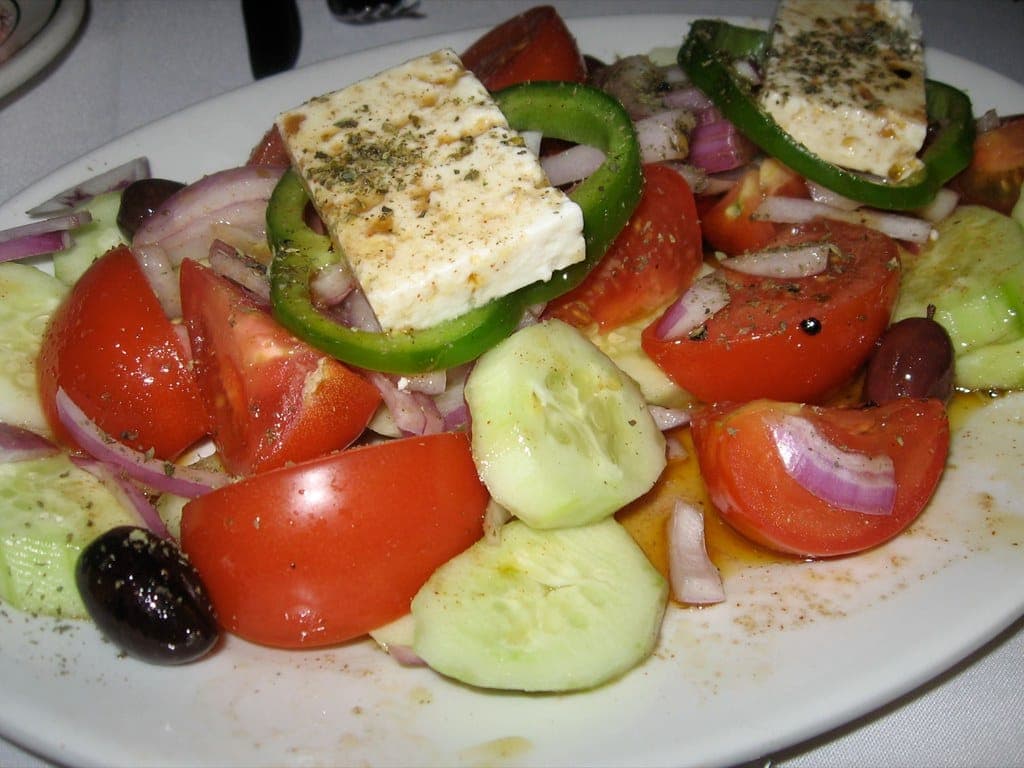
Add sliced chicken to our Greek Village Salad for a filling, no-cook lunch. The lemon and herb flavours of the roast chicken match the oregano and feta perfectly.
5. Lemon herb chicken salad
Mix chopped chicken with mayonnaise or Greek yoghurt, lemon zest, a little Dijon mustard, chopped celery and fresh herbs. Pile it into sandwiches, wraps or lettuce cups.
6. Warm squash and chicken salad
Turn our Roasted Squash Salad with Feta and Cranberries into a main course by adding warm slices of chicken on top just before serving.
Pasta and grains
7. Garlic and olive oil pasta with chicken
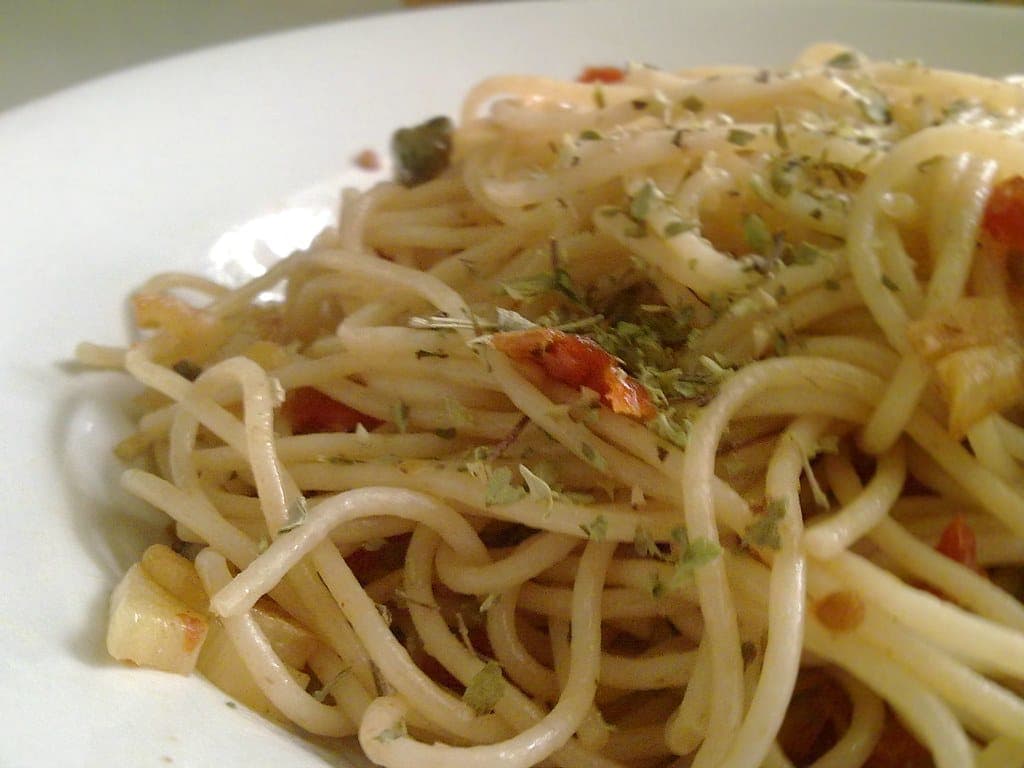
Toss shredded chicken into our Spaghetti Aglio e Olio along with the pasta water so it warms through in the garlicky oil. A handful of spinach or rocket is a good addition.
8. Chicken fried rice
Day-old rice and leftover chicken are made for each other. Stir-fry the rice in a hot pan with garlic, scallions and frozen peas, push it aside to scramble an egg, then add the chicken and season with soy sauce.
9. Chicken grain bowls
Build bowls with cooked farro, quinoa or rice, roasted vegetables, chicken and a punchy dressing. They pack well for lunches throughout the week.
Wraps, tacos and more
10. Quick chicken tacos
Warm shredded chicken in a skillet with a spoonful of the spice blend from our Sheet-Pan Chicken Fajitas and a splash of water, then pile into tortillas with salsa and avocado.
11. Chicken quesadillas
Layer chicken and cheese between tortillas and cook in a dry skillet until crisp on both sides and melted in the middle.
12. Shakshuka with chicken
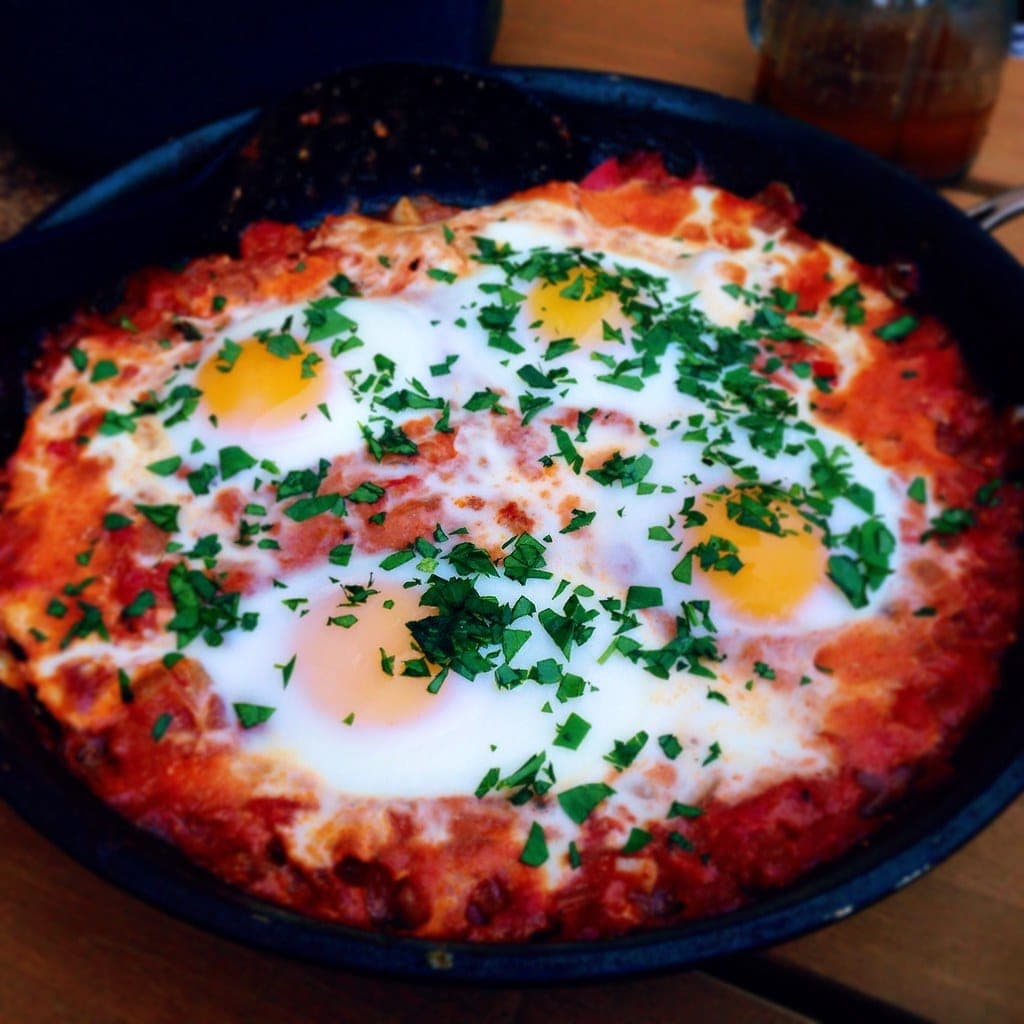
For a more substantial brunch, scatter shredded chicken into the sauce of our Shakshuka before you add the eggs.
Don't forget the carcass
The bones from a roast chicken make an excellent stock. Cover the carcass with cold water, add an onion, a carrot, a celery stalk and a bay leaf, and simmer very gently for 2 to 3 hours. Strain, cool quickly and refrigerate or freeze it. It is the perfect base for the soups above.
Frequently asked questions
How long does leftover roast chicken last in the fridge?
USDA guidance is to eat refrigerated cooked chicken within 3 to 4 days, and to refrigerate it within two hours of cooking. Freeze it if you need to keep it longer.
Can you eat leftover roast chicken cold?
Yes. Cooked chicken that has been stored properly in the fridge can be eaten cold, for example in salads and sandwiches. If you reheat it, heat it until it reaches 165°F (74°C).
How do you reheat roast chicken without drying it out?
Reheat it gently in a covered dish with a splash of broth in a 325°F (165°C) oven until hot throughout, or add it to soups and sauces at the end of cooking so it warms through without overcooking.
The bottom line
Leftover roast chicken is one of the most versatile ingredients you can have in the fridge. Store it promptly, use it within 3 to 4 days or freeze it, and turn it into soups, salads, pasta or tacos. Then make stock from the bones, and nothing goes to waste.
Ready to cook?
Put this into practice with our lemon herb roast chicken recipe, or browse more chicken recipes.
Put it into practice
Recipes to try
More guides
Recipe Guide · 4 min read
How to Dry Brine a Whole Chicken
Dry brining is the simplest way to a juicier, better-seasoned roast chicken. Learn how much salt to use, how long to leave it and how it helps the skin crisp.
Recipe Guide · 5 min read
How to Carve a Roast Chicken
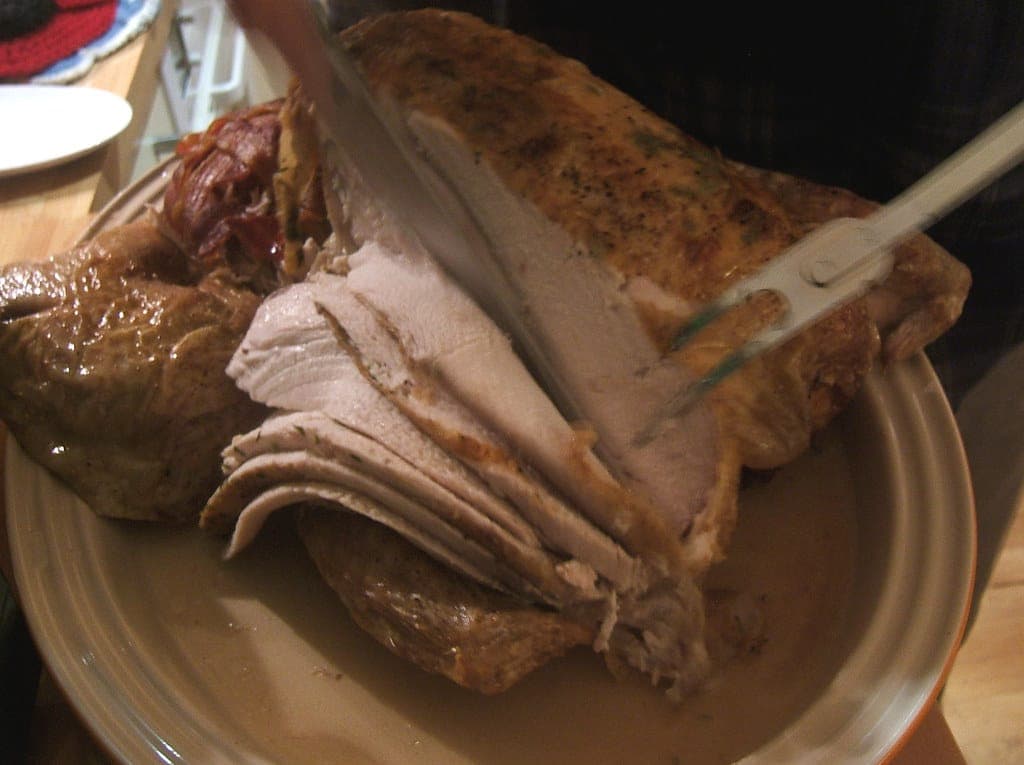
Carve a roast chicken neatly in about five minutes: what tools you need, how long to rest it, and how to remove the legs, wings and breast in clean slices.
Recipe Guide · 4 min read
Why Isn't My Roast Chicken Skin Crispy?
Soft, pale skin on a roast chicken almost always comes down to moisture or heat. Find the cause of yours and the fix, plus how to re-crisp skin after cooking.
Breakfast Guide · 4 min read
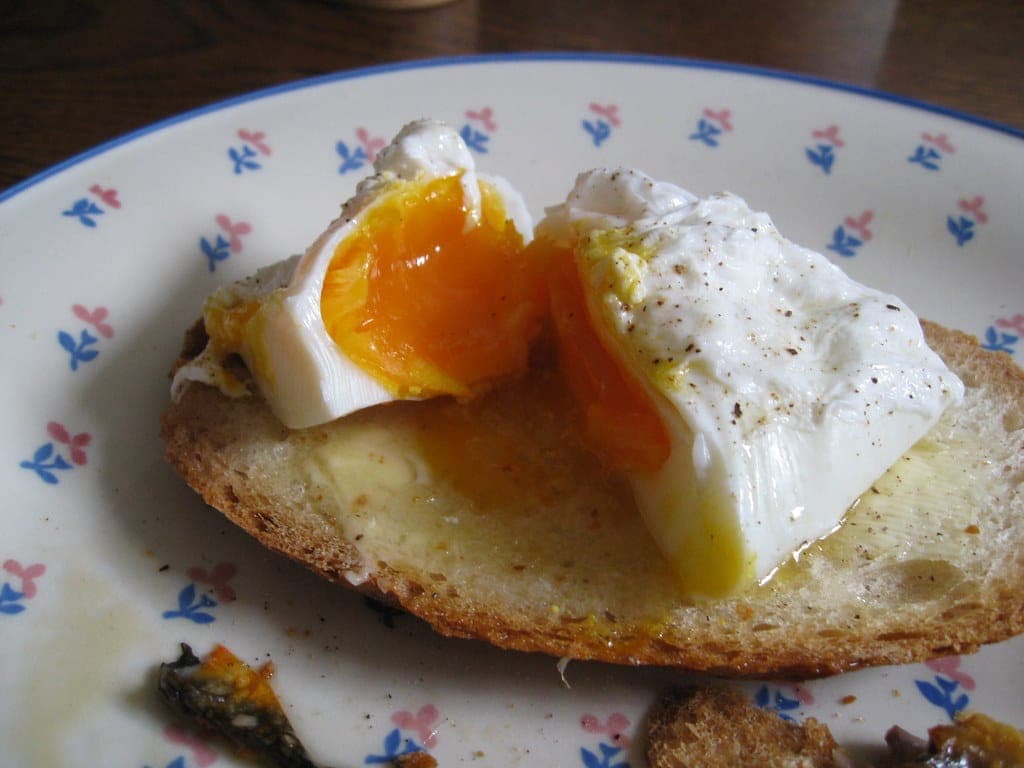
How to Poach an Egg
Learn how to poach an egg with a neat, tender white every time: choosing eggs, water temperature, timing for soft or firm yolks, and how to poach eggs ahead.