Kitchen Guide · 2 min read
Weeknight Pantry Essentials: What to Keep on Hand
A well-stocked pantry is the secret to fast weeknight dinners. These shelf-stable staples let you cook something good without an extra trip to the shop.
By Tasty Nest Recipes Editorial Team · Published
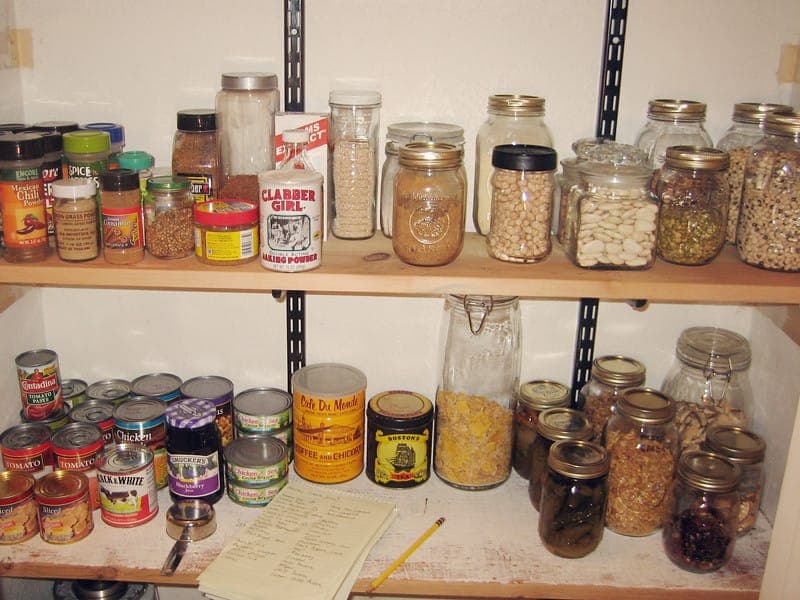
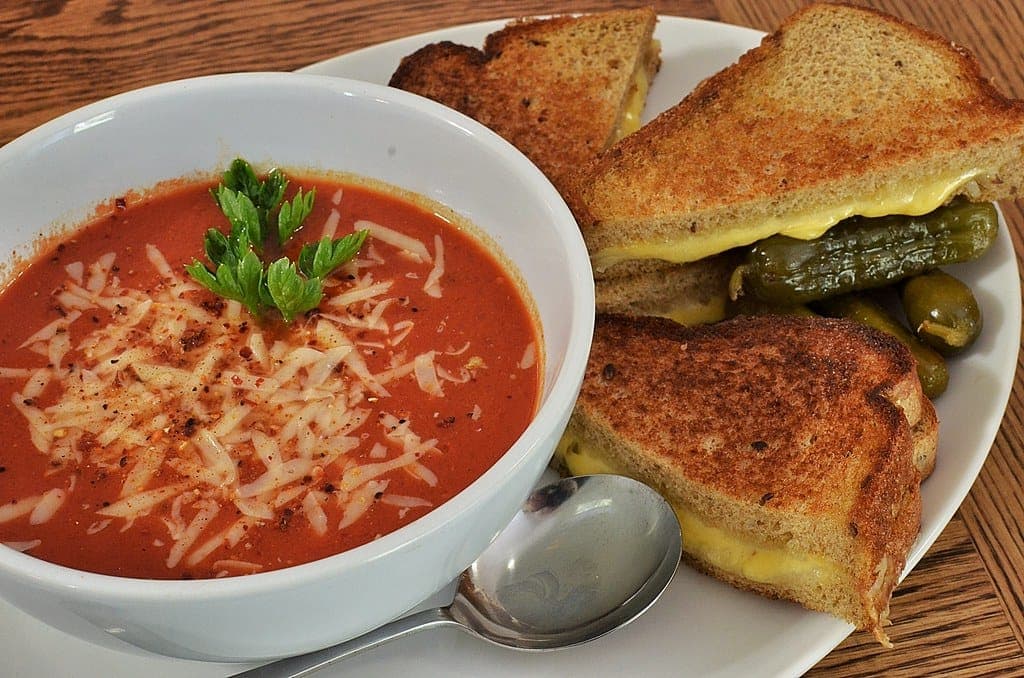
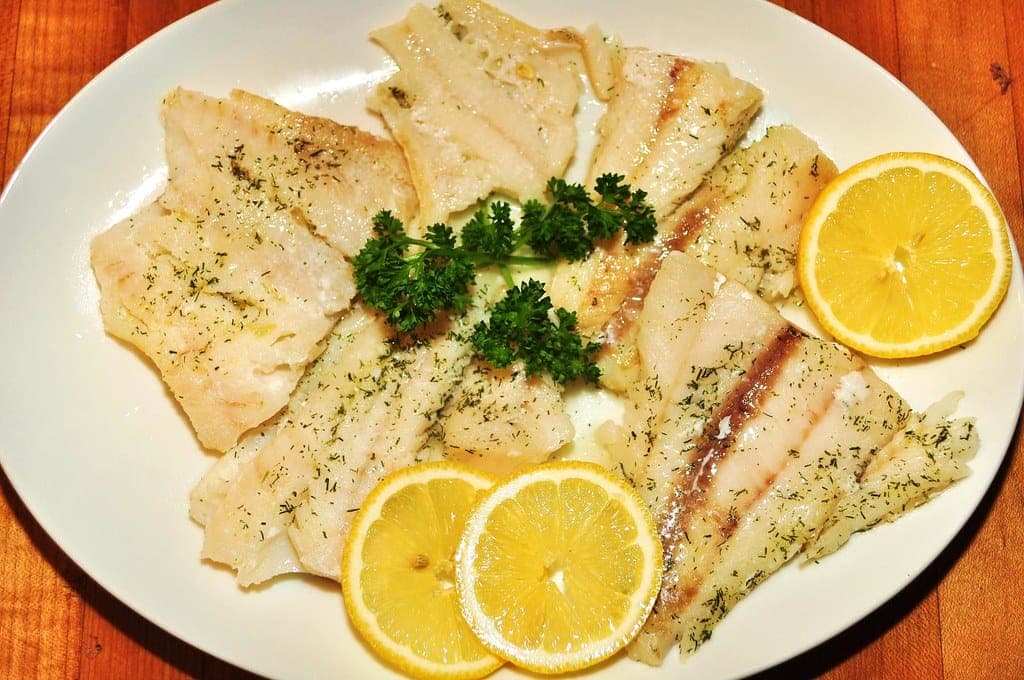
Photo: coffeechaser · CC BY 2.0. Illustrative photo; your results may look different.
Start with what you actually cook
There is no single perfect pantry. The most useful one is built around the dishes you make often. Look at the recipes you return to and note the shelf-stable ingredients they share. Those are your essentials. Everything else can be bought when a recipe calls for it.
The core staples
With the following on hand, you are only a few fresh ingredients away from dozens of meals.
- Oils and vinegars: a good extra-virgin olive oil, a neutral oil for high-heat cooking, and red wine or cider vinegar.
- Canned tomatoes: whole peeled and crushed, for sauces, soups and shakshuka.
- Canned beans and chickpeas: for quick soups, salads and hummus.
- Dried pasta and rice: at least one long shape, one short shape and a long-grain rice.
- Broth or stock: low-sodium cartons or concentrate, so you can control the salt.
- Aromatics: onions and garlic keep for weeks in a cool, dark, dry place.
Flavour builders
These ingredients do a lot of heavy lifting in small amounts, transforming simple dishes into something memorable.
- Soy sauce or tamari, for stir-fries, marinades and glazes.
- Dijon mustard, for dressings and pan sauces.
- Honey or maple syrup, to balance acidity and add gloss.
- Tomato paste, for depth in braises and sauces.
- Spices: ground cumin, smoked paprika, chilli flakes, dried oregano and black peppercorns.
Keep it fresh
Store spices in airtight containers away from heat and light, and replace ground spices when they lose their aroma. Label opened containers with the date. Every few months, take stock and plan a meal or two around anything that needs using up.
The fridge and freezer count too
A handful of longer-lasting fresh and frozen ingredients makes the pantry far more useful. None of these needs to be bought every week.
Fridge
- Eggs, for shakshuka, fried rice and quick suppers.
- Lemons, which brighten almost any dish and keep for weeks in the fridge.
- A hard cheese such as Parmesan, which keeps well and adds instant savouriness.
- Butter and plain yoghurt.
Freezer
- Frozen peas, corn and spinach, which go straight into soups, pasta and rice.
- Peeled frozen shrimp, which thaw in about 10 minutes under cold running water.
- Homemade stock and portions of leftover soup or sauce.
- Sliced bread, for toast, breadcrumbs or a quick bruschetta.
Five dinners from the pantry
With the staples above and one or two fresh ingredients, you can make all of these on a busy night:
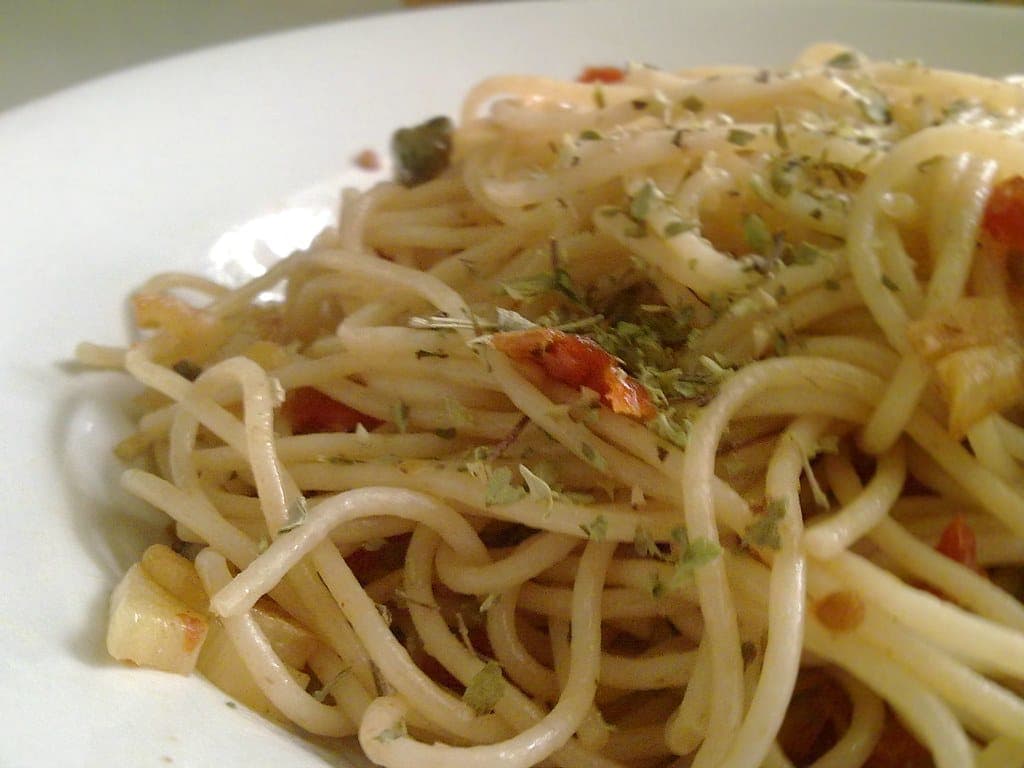
- Spaghetti Aglio e Olio: pasta, garlic, olive oil, chilli flakes and parsley.
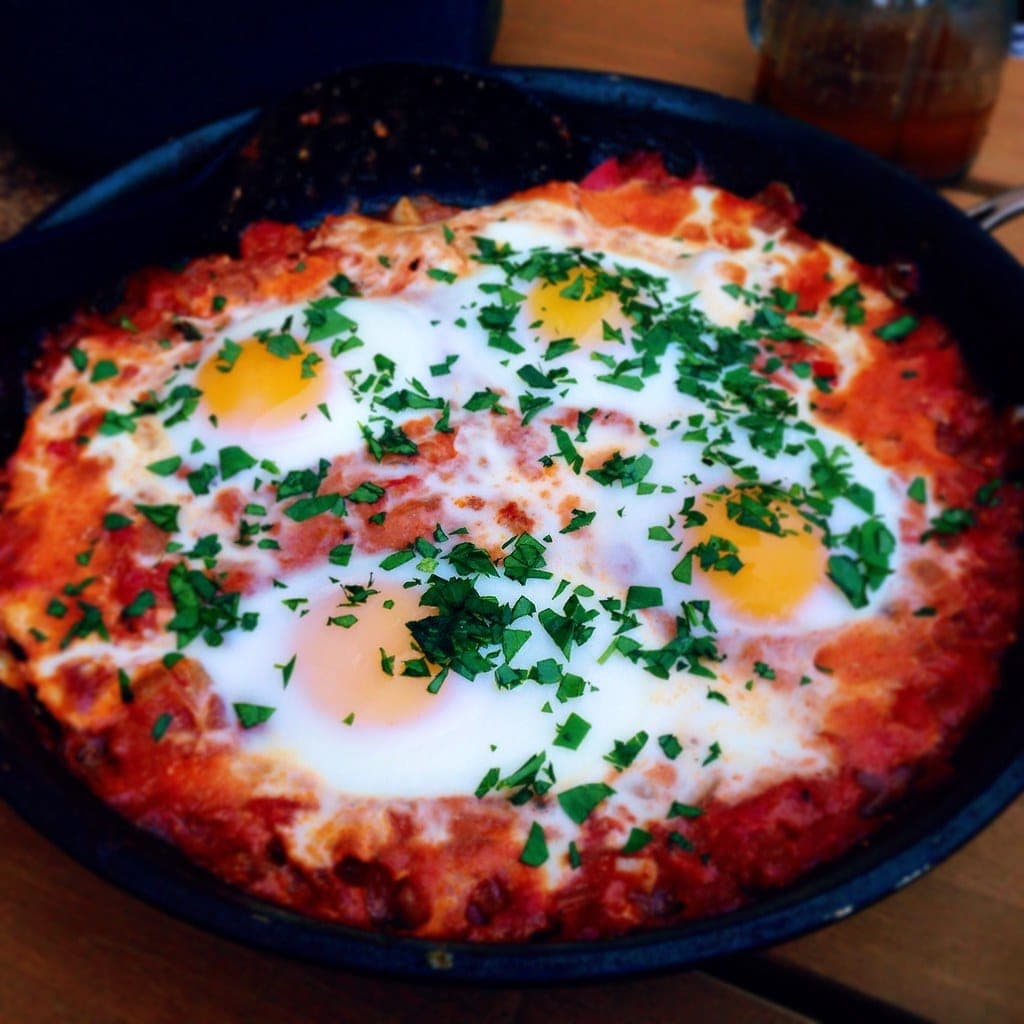
- Shakshuka: canned tomatoes, an onion, a pepper, spices and eggs.
- Creamy Tomato Basil Soup: canned tomatoes, onion, broth and a splash of cream.
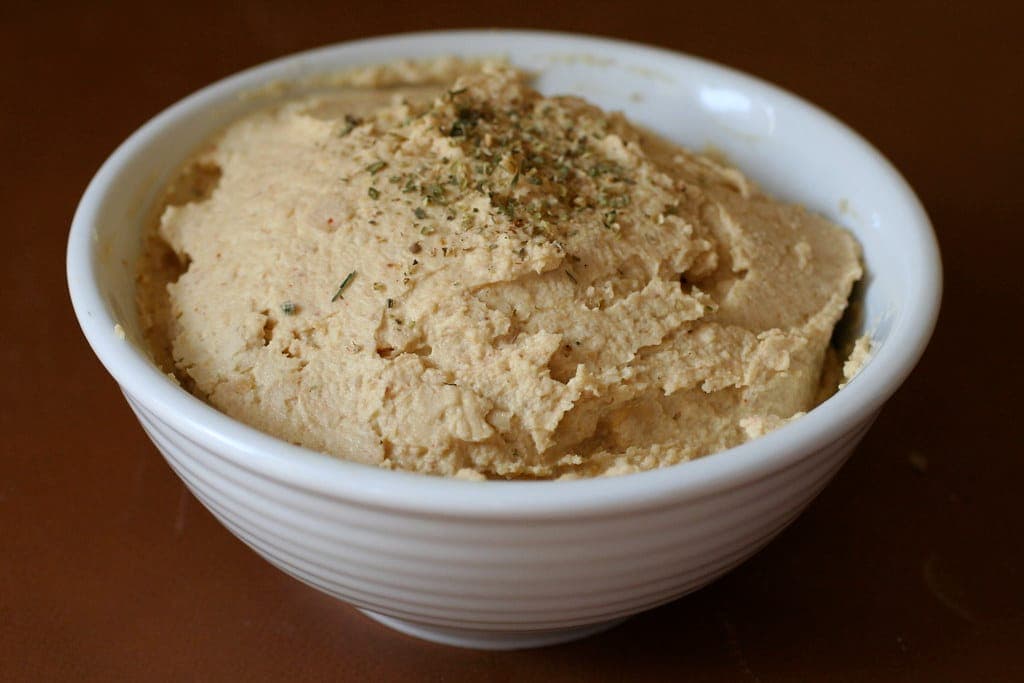
- Classic Hummus with warm pita and whatever vegetables you have.
- Fried rice: leftover rice, frozen peas, eggs, soy sauce and scallions.
The bottom line
A useful pantry is small, deliberate and built around what you actually cook. Keep a few core staples and flavour builders, back them up with eggs, lemons and a well-used freezer, and a good weeknight dinner is never more than a few minutes away.
Put it into practice
Recipes to try
More guides
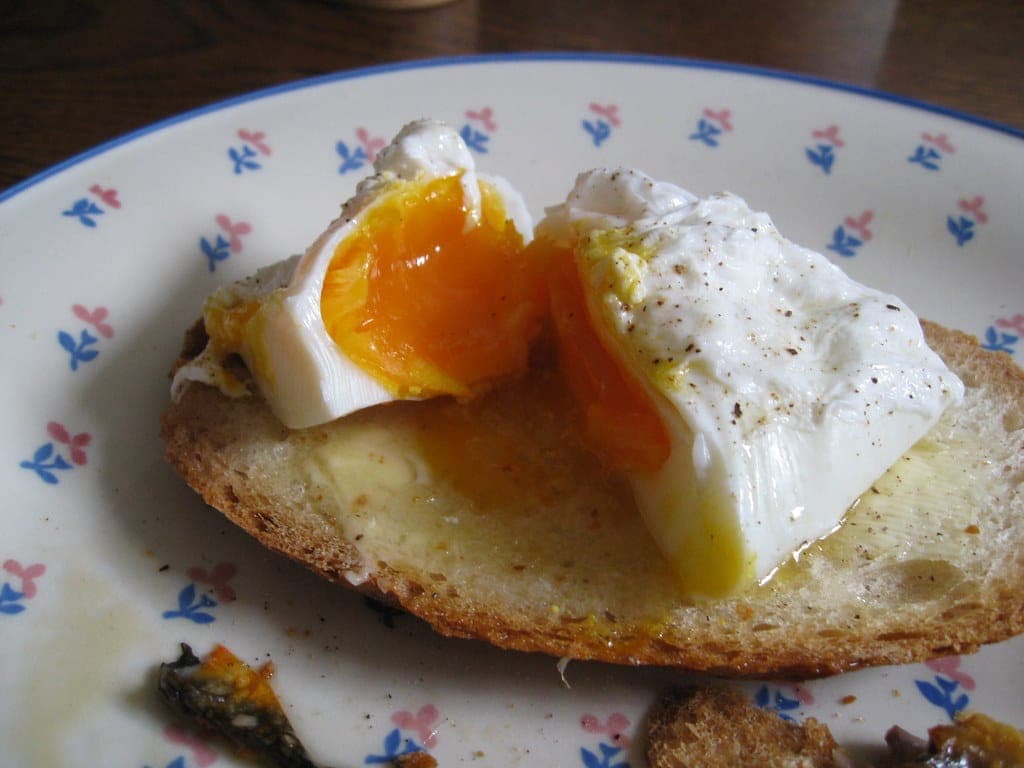
Breakfast Guide · 4 min read
How to Poach an Egg
Learn how to poach an egg with a neat, tender white every time: choosing eggs, water temperature, timing for soft or firm yolks, and how to poach eggs ahead.
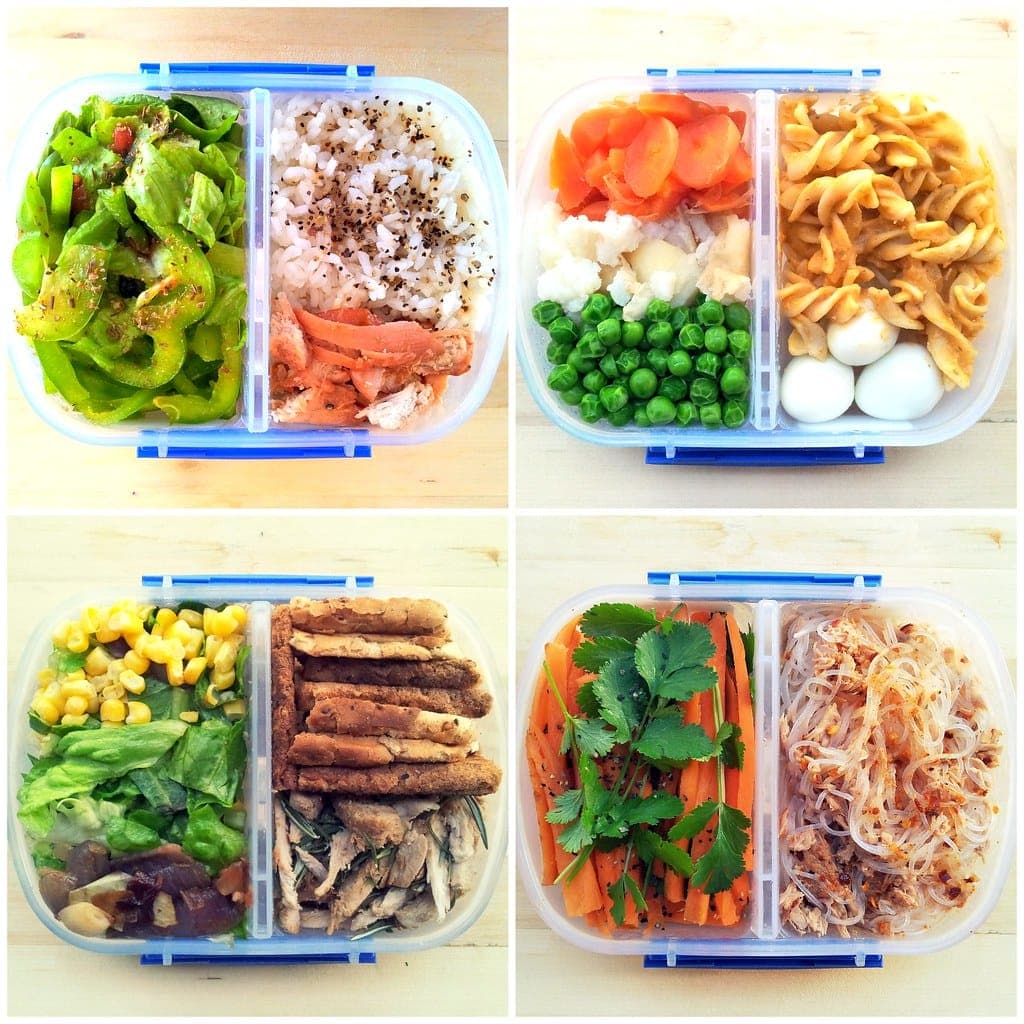
Lunch Guide · 4 min read
How to Pack a Lunch Safely
Keep packed lunches cold and safe until you eat them: insulated bags, ice packs, the two-hour rule, keeping hot food hot and which foods travel best.
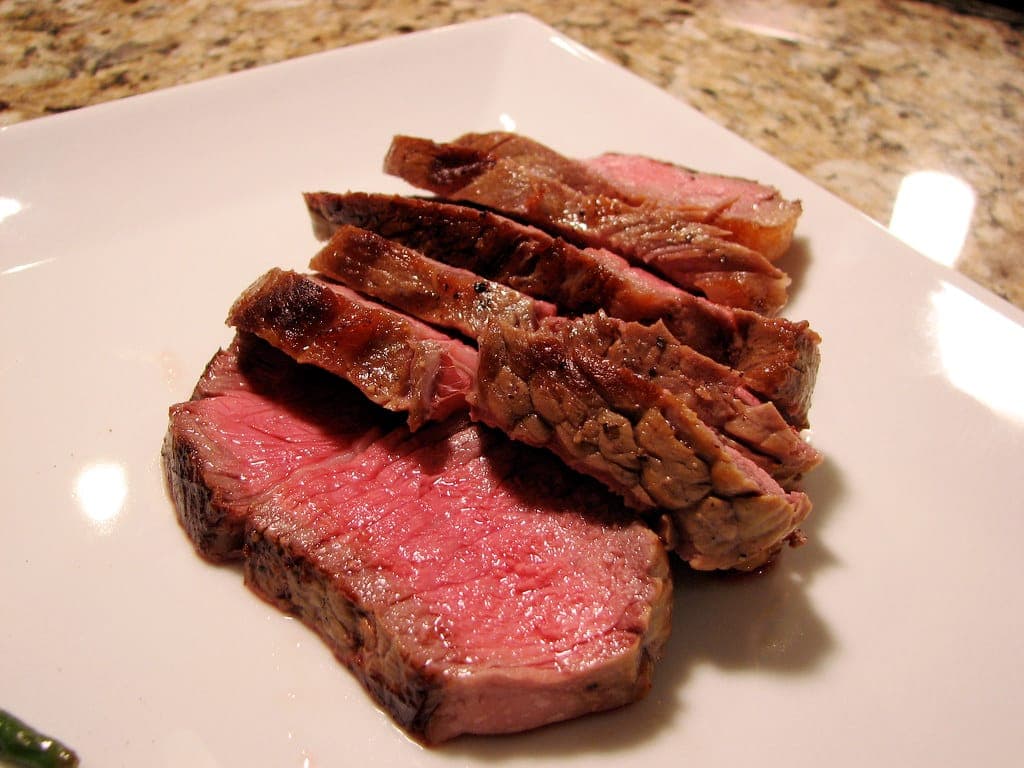
Beef Guide · 4 min read
Steak Doneness Temperatures: A Guide From Rare to Well Done
Steak doneness temperatures from rare to well done, when to take the steak off the heat, how to use a thermometer, and what USDA food-safety guidance recommends.
Seafood Guide · 3 min read
How to Tell When Fish Is Done
How to tell when fish is cooked: the safe internal temperature, what opaque and flaky really look like, and how to check salmon, white fish, shrimp and shellfish.