Kitchen Guide · 3 min read
The Simple Guide to Roasting Vegetables
How to roast almost any vegetable until it is tender inside and caramelised outside, with tips on oven temperature, cutting, seasoning and spacing.
By Tasty Nest Recipes Editorial Team · Published
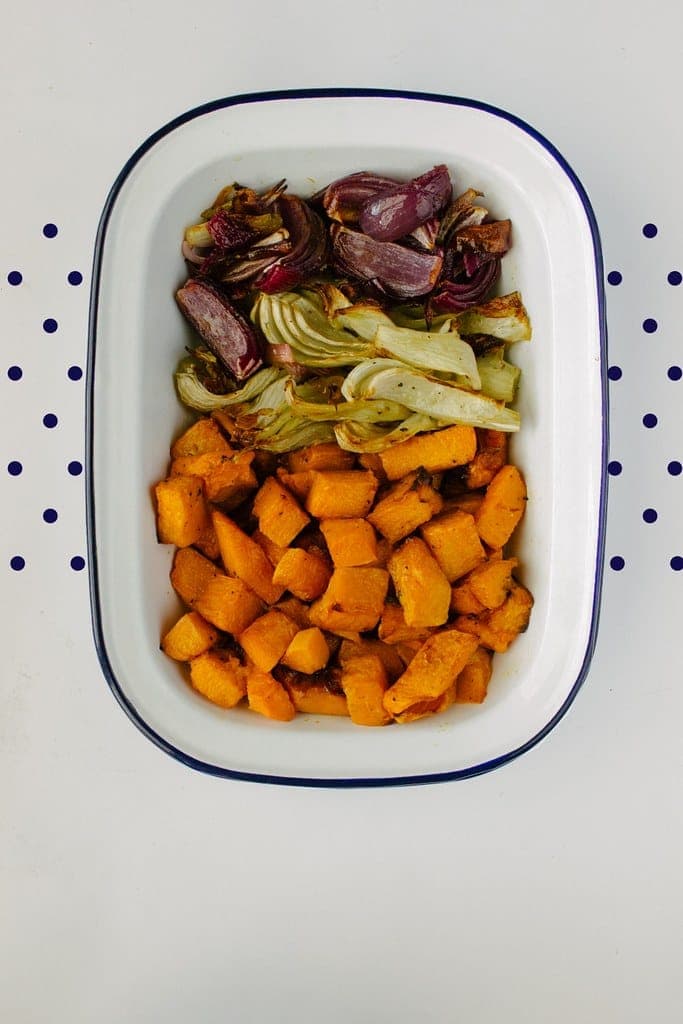
Photo: simpleprovisions · CC BY 2.0. Illustrative photo; your results may look different.
Why roasting works so well
Roasting uses dry, high heat to drive off moisture and brown the surface of vegetables. That browning creates deep, sweet, nutty flavours that you simply do not get from boiling or steaming. It is also one of the most hands-off ways to cook: once the pan is in the oven, there is very little to do.
Get the oven hot
Most vegetables roast best between 400°F and 450°F (200°C and 230°C). At lower temperatures they tend to soften and steam before they have a chance to brown. A temperature of 425°F (220°C) is a good default for almost everything.
Cut for even cooking
Cut vegetables into pieces of roughly the same size so they finish at the same time. Bigger, denser vegetables need more time than small, watery ones, so if you are roasting a mix, either cut the dense vegetables smaller or start them earlier.
- Dense root vegetables (potatoes, carrots, squash, beetroot): 1-inch pieces, 25 to 45 minutes.
- Brassicas (broccoli, cauliflower, Brussels sprouts): florets or halves, 20 to 30 minutes.
- Soft vegetables (courgette, peppers, tomatoes, asparagus): larger pieces, 10 to 20 minutes.
Do not crowd the pan
This is the most common roasting mistake. When vegetables are piled on top of each other, the moisture they release has nowhere to go, and they steam instead of browning. Spread them out in a single layer with a little space between pieces, and use two pans if necessary.
Season simply, finish boldly
Before roasting, toss the vegetables with enough oil to coat them lightly and a generous pinch of salt. Hardy dried spices such as smoked paprika, cumin or chilli flakes can go on at the start. Save delicate things for the end: fresh herbs, lemon juice or zest, grated cheese, a drizzle of good olive oil or a spoonful of pesto all bring roasted vegetables to life.
A basic method for any vegetable
Once you know the pattern, you rarely need a recipe.
- Heat the oven to 425°F (220°C) with a rack in the upper-middle position. For extra browning, put the empty baking sheet in the oven while it heats.
- Cut the vegetables into even pieces and dry them well if they have been washed.
- Toss with about 1 tablespoon of oil and 1/2 teaspoon of salt per pound (450 g) of vegetables.
- Spread in a single layer, cut sides down where possible, and roast until the undersides are well browned.
- Turn the pieces once, then roast until tender all the way through when pierced with a knife.
- Finish with something bright, such as lemon, herbs or a splash of vinegar, and taste for salt.
Troubleshooting
Soggy vegetables
Usually caused by a crowded pan, too little heat or wet vegetables. Spread them out over two pans, check the oven temperature and pat the pieces dry before oiling.
Burnt outside, raw inside
The pieces are too big for the temperature. Cut them smaller, or lower the oven to 400°F (200°C) and roast a little longer.
Stuck to the pan
Let the vegetables roast undisturbed until they release naturally; browned vegetables loosen as they caramelise. Lining the pan with parchment also helps, although it slightly reduces browning.
Frequently asked questions
Can you roast different vegetables on the same pan?
Yes. Either cut dense vegetables smaller than soft ones so they finish together, or start the dense ones first and add quicker-cooking vegetables part of the way through.
Should you peel vegetables before roasting?
Often not. Carrots, potatoes, beetroot and delicata squash can be roasted with their skins on after a good scrub. Peel tougher skins, such as butternut squash, or anything waxed.
The bottom line
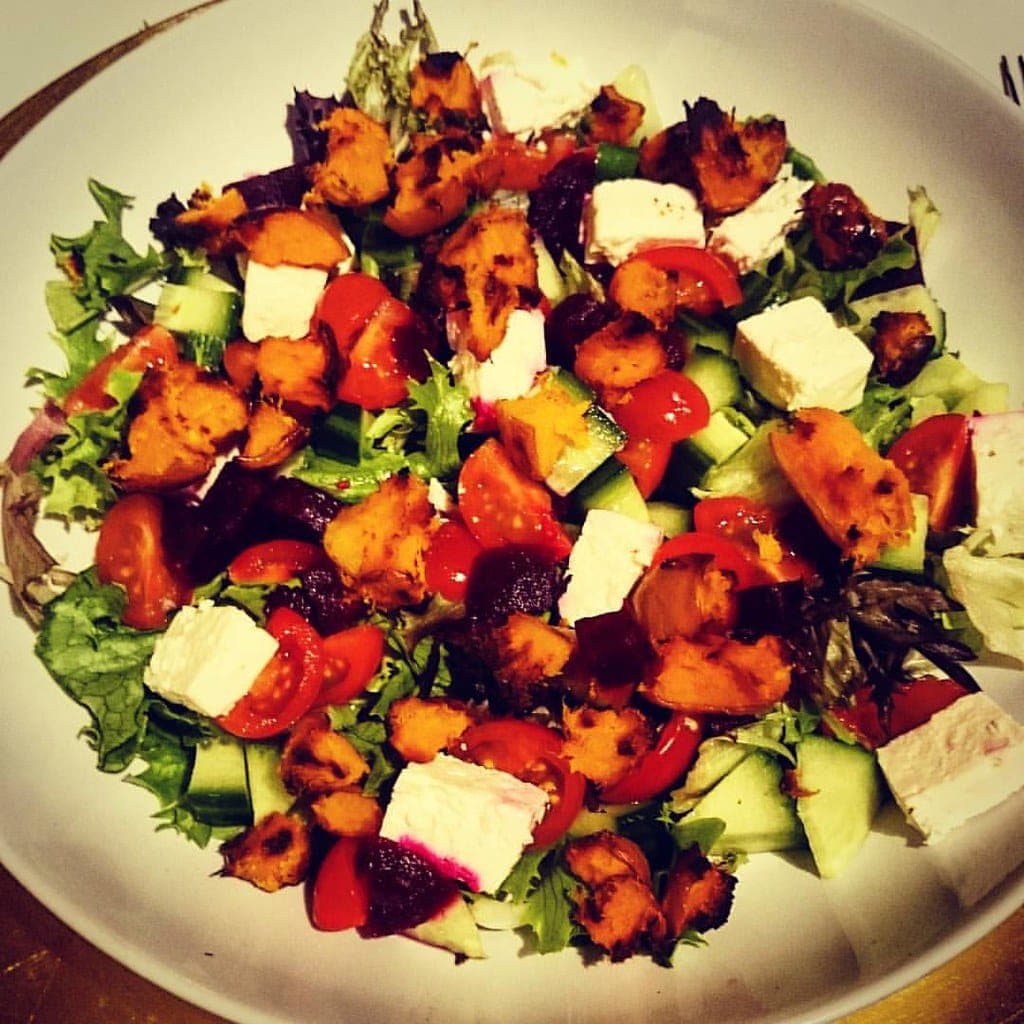
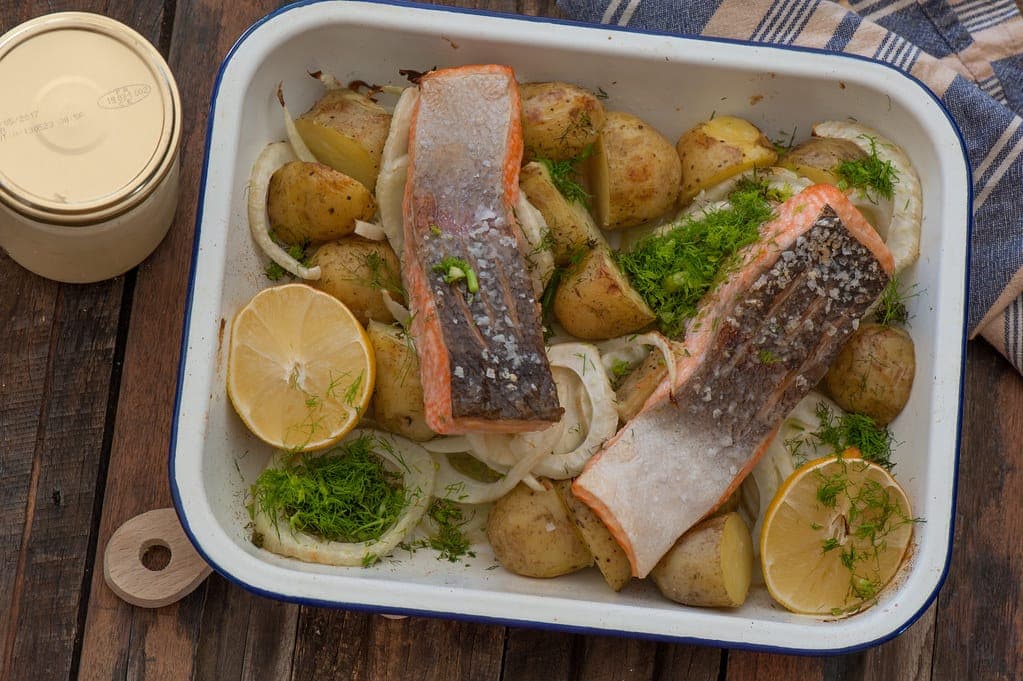
Great roasted vegetables come from high heat, even pieces, plenty of space on the pan and a bright finish. Master that pattern and you can roast whatever is in season, from autumn squash in our roasted squash salad to the potatoes that cook alongside our salmon.
Put it into practice
Recipes to try
More guides
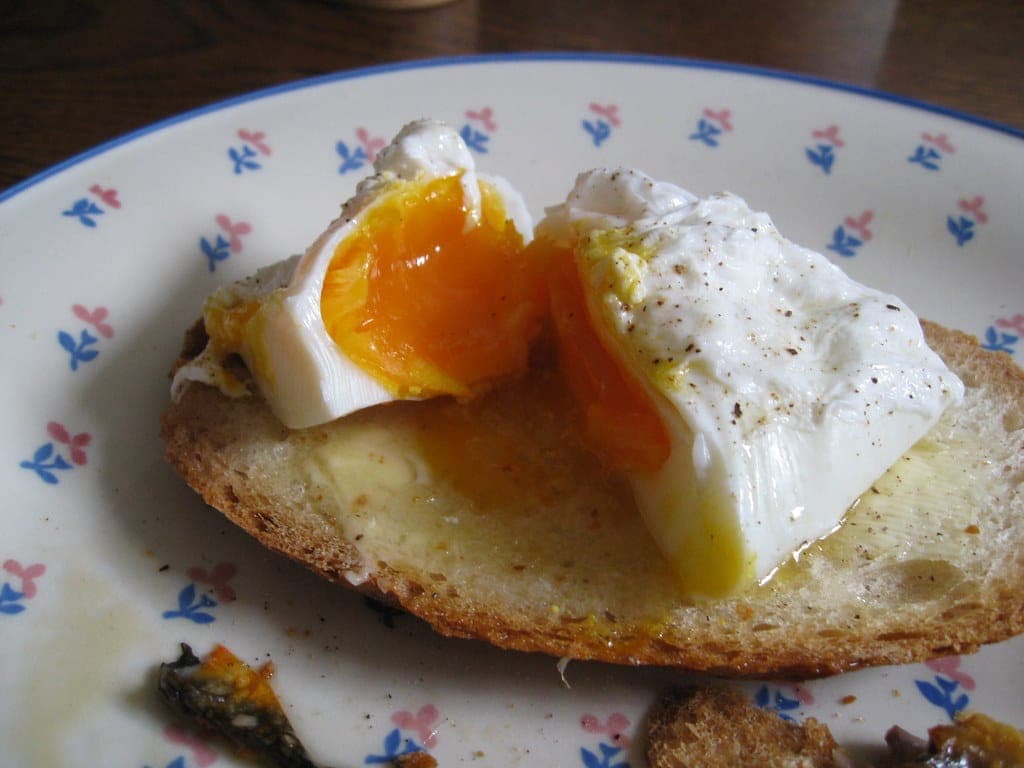
Breakfast Guide · 4 min read
How to Poach an Egg
Learn how to poach an egg with a neat, tender white every time: choosing eggs, water temperature, timing for soft or firm yolks, and how to poach eggs ahead.
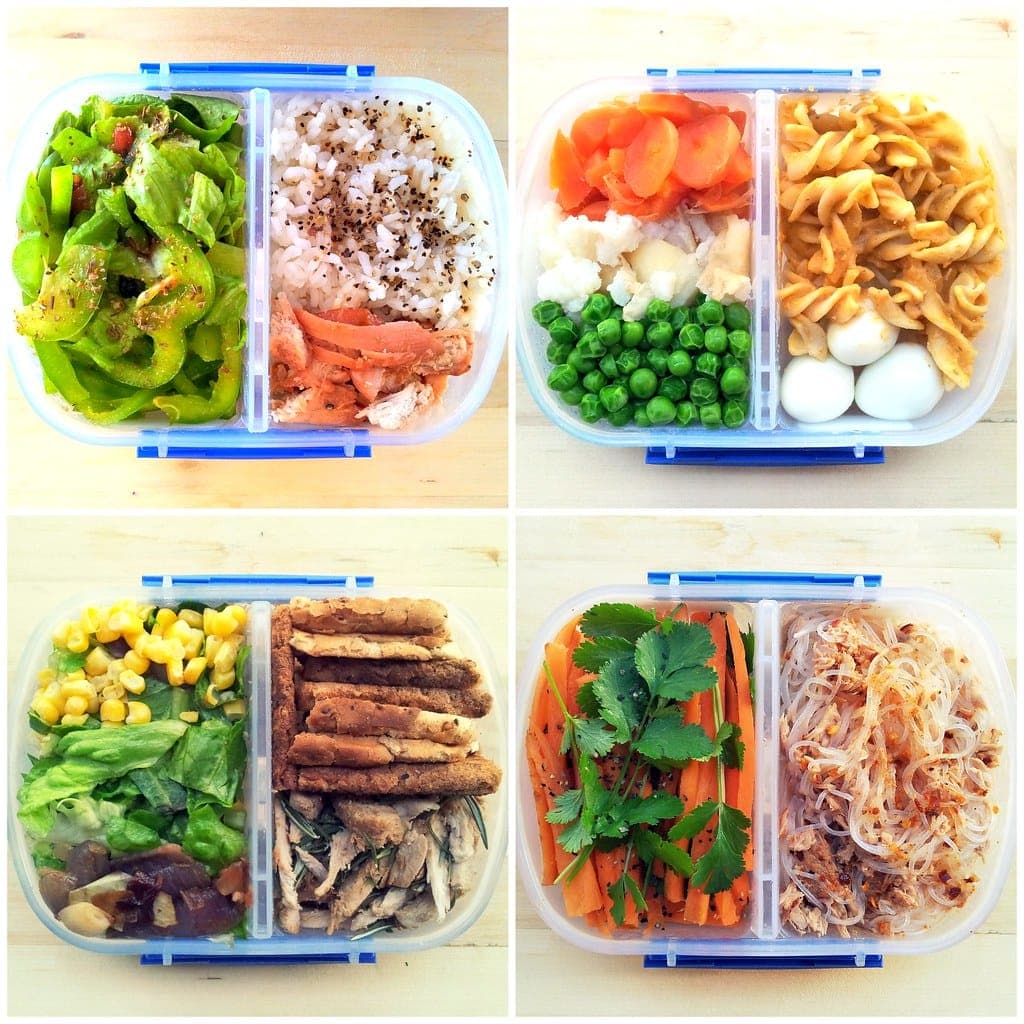
Lunch Guide · 4 min read
How to Pack a Lunch Safely
Keep packed lunches cold and safe until you eat them: insulated bags, ice packs, the two-hour rule, keeping hot food hot and which foods travel best.
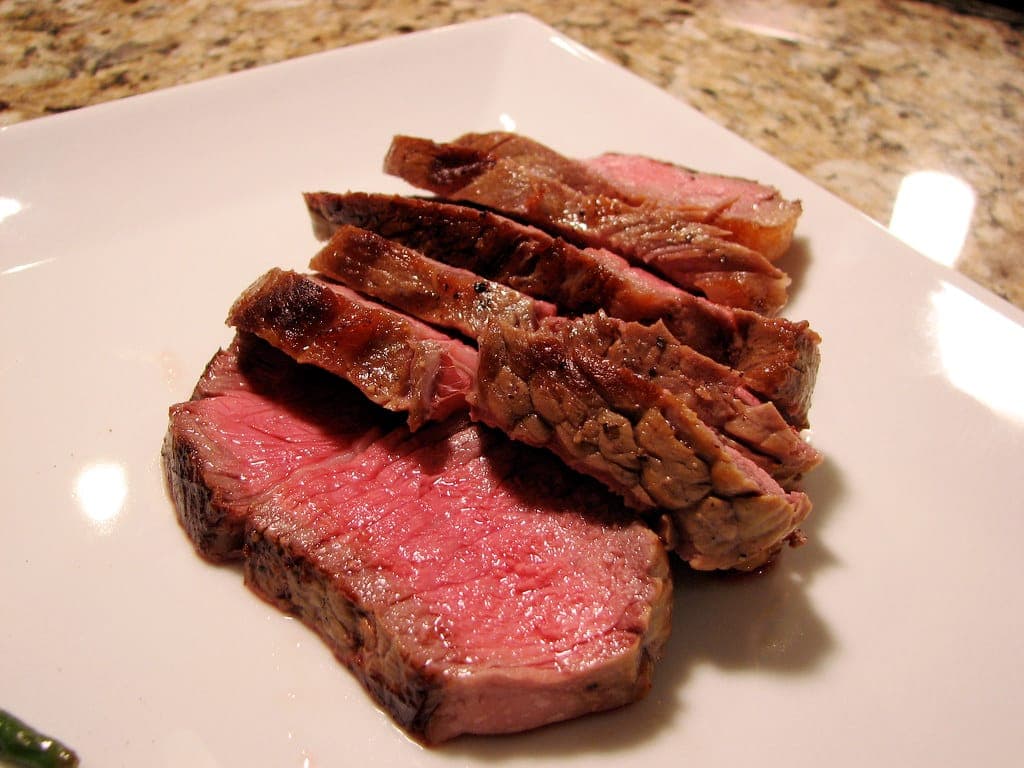
Beef Guide · 4 min read
Steak Doneness Temperatures: A Guide From Rare to Well Done
Steak doneness temperatures from rare to well done, when to take the steak off the heat, how to use a thermometer, and what USDA food-safety guidance recommends.
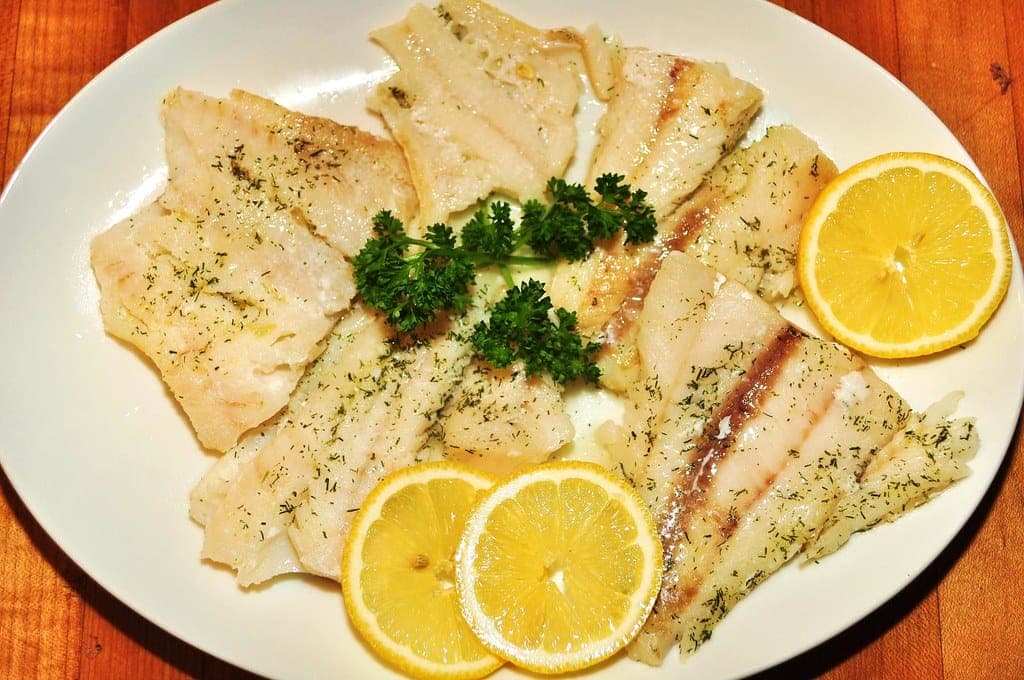
Seafood Guide · 3 min read
How to Tell When Fish Is Done
How to tell when fish is cooked: the safe internal temperature, what opaque and flaky really look like, and how to check salmon, white fish, shrimp and shellfish.